
 0459 032 871
Moving to a new home can be both exciting and overwhelming. One of the most daunting tasks is deciding what belongings to take with you and what to rid yourself of as you prepare to downsize your home. How to downsize for a move isn’t just about getting rid of stuff; it’s about creating a manageable home—whether it’s a smaller house, an apartment, or just a new space with less space—and embracing a lifestyle that’s more organized and free of clutter.
In this blog, we’ll explore the best tips and strategies for downsizing, making your transition to a new house or smaller home as smooth as possible, so you can start fresh in your new place with a sense of peace and excitement for the journey ahead.
What is Downsizing?

I still remember my first big move. I was eager to begin a new chapter in my life, but the thought of sorting through years of stuff—from furniture in the garage to electronic devices in the closet—felt like an uphill battle. As I began to pack, I realized how much I’d accumulated that was just collecting dust.
This experience taught me the value of the decluttering process during a move. Not only did it help me save money on transport costs, but it also gave me a chance to organize my belongings and focus on what mattered, setting the stage for a new living room or even just one room that felt truly mine.
If you’re facing a similar process, you’re not alone—especially if you’re moving with family or friends. Downsizing can be tough, but with the following tips, it becomes an easy task that’s incredibly liberating. We’ll share practical ways to start decluttering, decide what stays, and make your move to a small space less stressful.
Understanding the Benefits of Downsizing

Why Downsize?
Downsizing during a move offers numerous benefits for your house, your finances, and your peace of mind. Here are a few reasons to embrace it:
- Reduced Moving Costs: The less you transport, the more money you save. Fewer boxes mean lower costs for services like movers, as well as savings on fuel and packing supplies—whether you’re moving to a larger home or a smaller house.
- Less Clutter: The decluttering process lets you rid yourself of items that no longer serve a purpose, leaving your new space—be it a garden-adjacent house or a cozy apartment—free of chaos. Fewer cabinets stuffed with stuff makes upkeep simpler.
- Simpler Lifestyle: Living with less in a small space or one category of essentials encourages a streamlined lifestyle. It shifts your focus to what’s meaningful—like time with family members—and cuts down on energy spent managing excess.
Emotional Aspects
Downsizing isn’t just practical; it’s a deeply emotional journey as well. Parting with sentimental items or things of sentimental value that no longer serve you can feel like a heartfelt gift to yourself. It’s therapeutic to clear out stuff from the garage or storage that’s been sitting since a later date, freeing you for a new home.
Plus, reducing clutter in your room or house eases the stress of managing too much, especially when shared with family or friends. It’s about creating a space where you can thrive and enjoy more meaningful moments with those you love.
Strategies for Downsizing

To effectively downsize for a move, it’s important to approach the process with a clear plan and an open mind. This means starting early, creating a thoughtful plan, decluttering room by room, considering selling or donating items, and prioritizing essential belongings. This approach ensures a smoother and less stressful transition to your new home.
Let’s dive into the process with actionable strategies to downsize your home effectively, adding a personal touch to each step.
- Start Early
The first step to success is to start decluttering well ahead of time. Give yourself the space to thoughtfully sort through belongings—from furniture to electronic devices—without feeling rushed. This allows you to decide what truly fits your new space. Remember, this is your opportunity to reflect on what items have been meaningful in your life and which ones you can let go of, creating room for new experiences. - Sort and Purge
Divide your stuff into the following categories: keep, donate, sell, and discard. Be honest with yourself—has that item in the closet served you lately? Does it belong in your new living room? This step is crucial for clearing out what’s unnecessary and can be a liberating experience as you let go of items that no longer serve a purpose. - Measure Your Space
Measure your new house or apartment before deciding which furniture or larger items to keep. Will that beloved sofa fit in your room or new living room? Knowing your space ensures that you only bring what works, allowing you to create a cozy and functional environment that feels like home. - Consider a Garage Sale or Online Selling
Host a garage sale or use platforms like Facebook Marketplace to sell items like old furniture or electronic devices. It’s a win-win: you declutter and earn extra cash for your move—maybe even enough to store something in storage space if needed. Plus, you might meet some interesting people along the way who appreciate your old treasures. - Donate or Recycle
Donate items like clothes or kitchenware to charities. It helps others and feels good, knowing your items are getting a second life. For broken stuff, recycle to keep your garden or garage from becoming a dump, aligning with a manageable home. This step is about giving back and contributing to a more sustainable world. - Keep Only What Brings Joy
Inspired by Marie Kondo, keep what sparks joy or serves a purpose—perfect for a smaller home. That old lamp in storage might not make the cut, but a cherished gift from a family member could. This is your chance to curate your space with items that truly resonate with you, making your new home a reflection of your personality and values.
Managing Sentimental Items
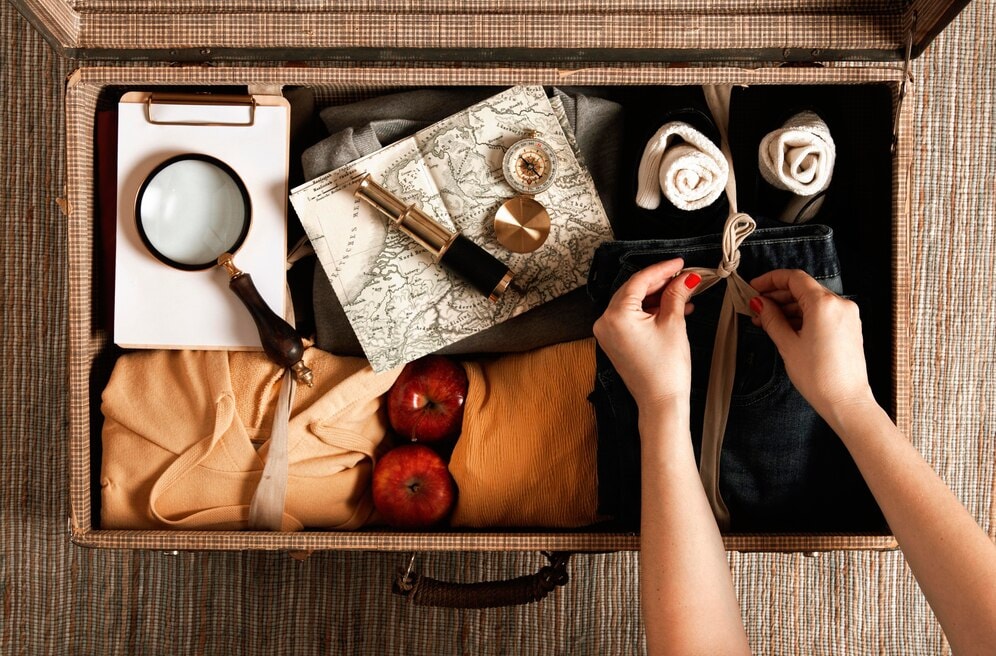
Handling sentimental items is tricky. Here’s how to navigate it:
- Handling Emotional Attachments: Dealing with items of sentimental value, such as a cherished relic from the garage, can be challenging. One effective way to preserve the memory without the clutter is to take photos and store them digitally. This way, you maintain a connection to the past while keeping your new space organized and free of excess.
- Letting Go: When an item is broken or doesn’t fit into your new space, it’s time to release it. Consider creating a small memory box for a few select pieces that hold significant emotional value. This allows you to honor your life’s journey without overwhelming your boxes with unnecessary items. By focusing on a curated collection of sentimental items, you can maintain a sense of connection to your past while embracing the possibilities of your new home.
Organizing and Packing Efficiently

Once you’ve downsized, it’s time to pack and organize. Here’s how:
- Packing Tips: When it comes to packing your belongings, using sturdy boxes is essential to ensure safe transport. Choose boxes that match the size and fragility of the items you’re packing, and don’t overstuff them. Label each box by category—such as “kitchen,” “bedroom,” or “new living room”—and by room to make unpacking more convenient. Consider color-coding labels for quick identification, which can be especially helpful when organizing multiple rooms.
- Labeling and Inventory: Maintaining a detailed inventory of your boxes is crucial. Create a spreadsheet or use a moving app to list each box’s contents, categorizing them by room and noting any items of significant value. This inventory not only helps ensure nothing gets lost during the move but also simplifies the unpacking process. Whether your boxes are destined for a garden shed, storage space, or your new living room, having an organized list ensures you can find what you need when you need it, making the transition to your new home smoother and more efficient.
The Bottom Line
Downsizing during a move might feel like a daunting task at first, but with these tips, it’s an exciting chance to start fresh. By starting early, sorting into one category at a time, and keeping only what fits your new home, you’ll craft a manageable home free of clutter. It’s not just about losing stuff—it’s about making space for new memories with family and friends.
As you prepare to downsize your home, know it’s okay to let go. Every item you donate, sell, or rid yourself of opens the door to a lighter, more joyful lifestyle. So, grab some boxes, enlist a family member, and begin your journey to a new place—whether it’s a smaller house or just one room—with energy and purpose.
Frequently Asked Questions
When downsizing, be sure to identify which amenities are important to you–especially if you're moving into an apartment, condo, or private community. For example, your current home may have a big backyard or garden. If outdoor space is important to you, make sure your new home has something comparable.
Start early and be kind to yourself as you work through the changes. Remove trash and declutter your unneeded items before packing and moving. And don't pack unwanted or broken, but maybe serviceable items into the boxes to go to your new residence. Give yourself a chance to live in a clutter-free space.
The kitchen is often the hardest room to pack when moving because it contains many breakable items. It takes time to carefully wrap your plates, bowls, glasses, mugs, knives, and serving dishes. Garages and storage sheds are also hard to pack because they contain many large and oddly shaped items.



 Address
 Phone
Phone Email
Email
