
 0459 032 871
Just moved to Melbourne? Or maybe you’ve been here a little while and still find yourself staring at the bins thinking, “Yellow? Red? Purple? Green? What goes where?” You’re not alone.
Melbourne is one of the most sustainability-focused cities in Australia — but it also has one of the most complex waste systems, especially because each council has slightly different rules.
This guide simplifies everything:
- The Melbourne bin system
- What goes in each bin
- Hard rubbish and e-waste
- FOGO and green waste
- Council differences across suburbs
- Drop-off centres, programs, and common mistakes
Understanding Melbourne’s Waste System
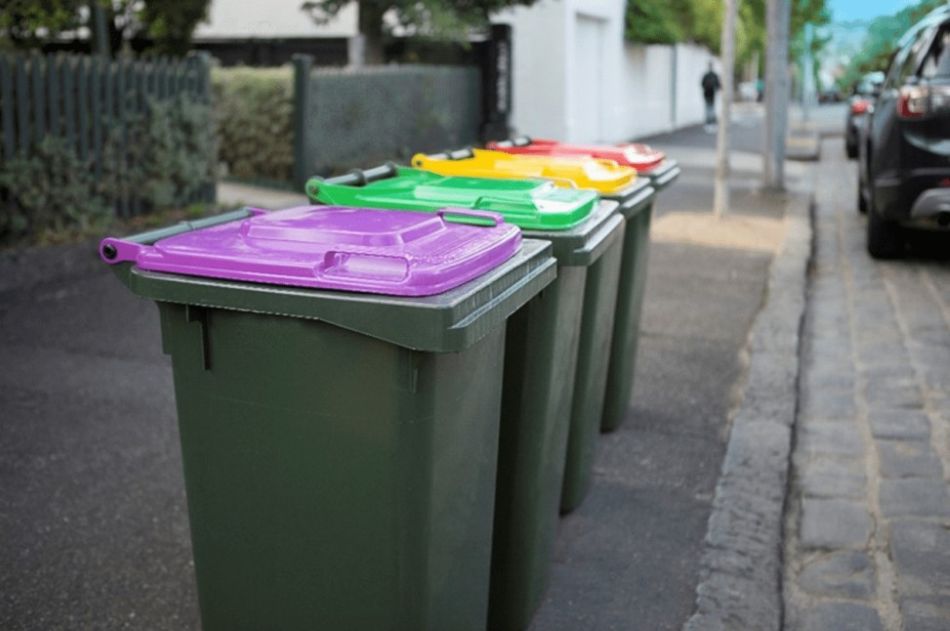
Melbourne’s waste system is becoming easier to follow as Victoria transitions to a standardised four-bin setup across all councils. By 2030, every household will use the same core bins (source):
Yellow → mixed recycling
Purple → glass recycling
Lime green → FOGO (food & garden organics)
Some suburbs already have the full system, while others are still rolling it out. Even if your council isn’t fully updated yet, the sorting rules are mostly consistent across Melbourne.
Below is the city-wide guide based on Victorian Government standards and council policies.
Yellow Bin — Mixed Recycling
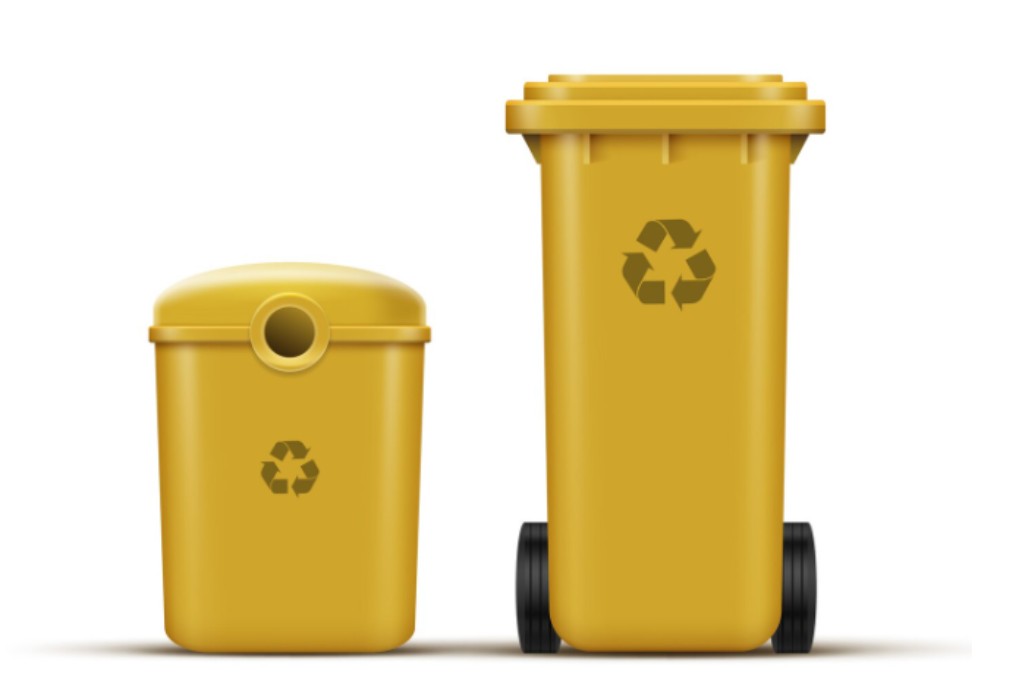
The yellow bin is used for most everyday recyclables and is one of the simplest bins to get right once you know the basics. As long as items are clean, empty, and placed in loose, the yellow bin helps keep a large amount of household waste out of landfill.
What Goes In
- Clean paper and cardboard
- Hard plastics (bottles, containers)
- Metal cans and tins
- Aluminum foil (scrunched)
- Empty aerosol cans
What Does Not Go In
- Soft plastics
- Coffee cups
- Dirty containers
- Pyrex, ceramics, drinking glasses
- Batteries or e-waste (e-waste is banned from landfill)
Collection: weekly or fortnightly depending on council.
Purple Bin — Glass Recycling
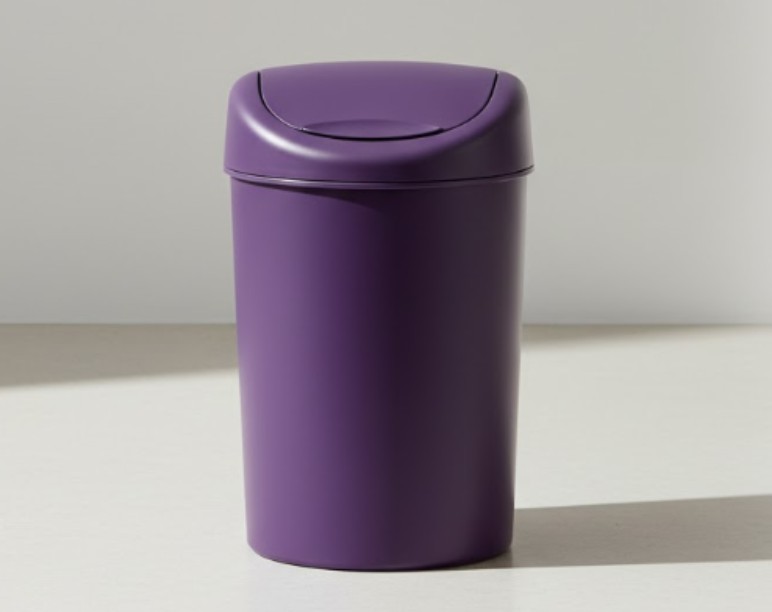
The purple bin is being introduced across Melbourne to separate glass from other recyclables, making the whole recycling stream cleaner and easier to process. In suburbs where it has rolled out, this bin is used only for glass bottles and jars, helping prevent broken glass from contaminating paper and plastics in the yellow bin (source).
Accepted
- Glass bottles
- Glass jars
Not Accepted
- Broken household glass
- Window glass
- Heat-proof glass (Pyrex)
- Ceramics
Green / Lime FOGO Bin — Food & Garden Organics
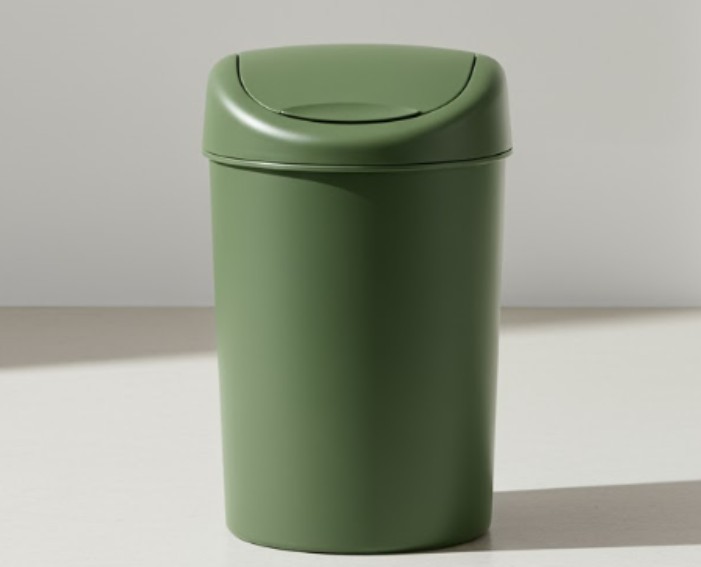
The green or lime FOGO bin is designed to take both food scraps and garden waste, making it one of the most effective ways to reduce how much rubbish your household sends to landfill. More councils across Melbourne are introducing FOGO as part of Victoria’s statewide organics rollout, helping ensure everyday food waste is turned into compost instead of contributing to greenhouse gases (source).
Accepted
- Fruit & veg scraps
- Meat & bones
- Leftovers
- Dairy
- Coffee grounds
- Grass clippings, leaves, small branches
Not Accepted
- Plastic bags (including biodegradable bags)
- Large branches
- Soil
- Pet waste
Council Differences
Port Phillip → weekly FOGO
Moonee Valley → fortnightly FOGO
Stonnington → staged rollout through 2025
City of Melbourne → apartment-focused FOGO trials
Red Bin — General Waste
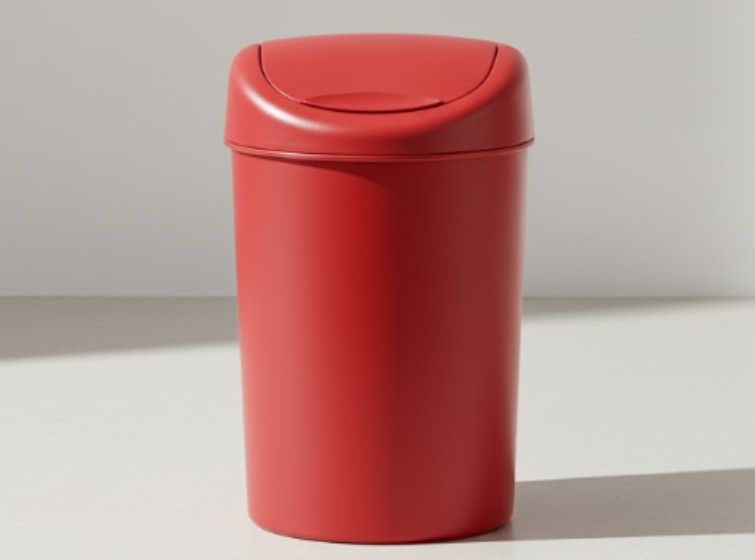
The red bin is for anything that can’t be recycled or composted through your other bins. It’s the final destination for everyday waste that doesn’t belong in the yellow, purple, or FOGO bins, and most Melbourne councils collect it weekly to prevent rubbish from building up.
Examples
- Soft plastics
- Nappies
- Tissues & wipes
- Polystyrene
- Broken ceramics
- General household rubbish
Collection: mostly weekly.
Suburb-by-Suburb Deep Dive
Waste services vary across Melbourne because each council manages its own collection schedules, bin systems, and recycling programs. This means your experience can look very different depending on the suburb you live in. Below is a clearer breakdown of how waste and recycling work across several key Melbourne councils, based on the verified sources you provided.
E-Waste: What Melbourne Residents Must Know
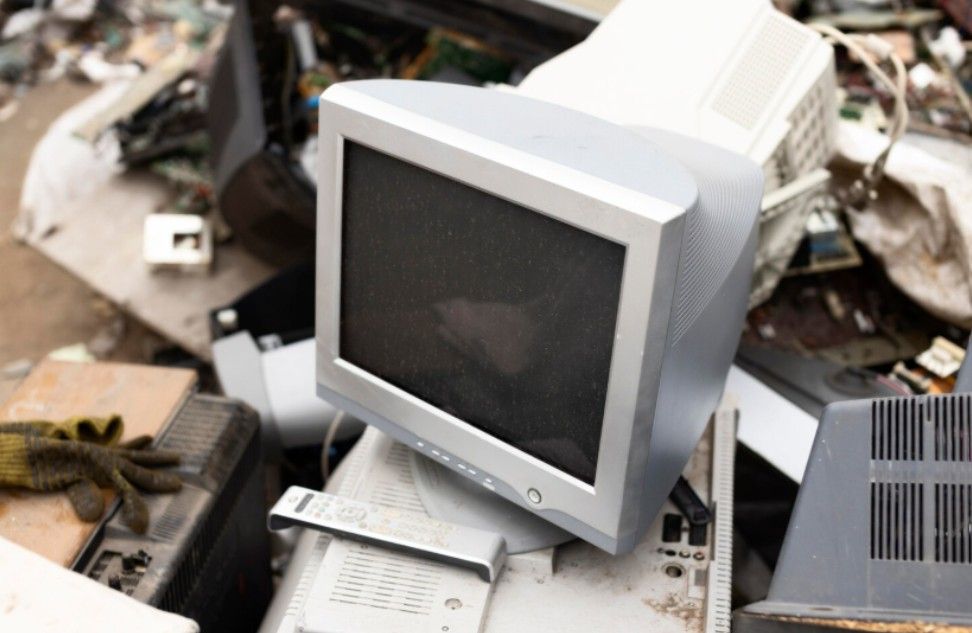
E-waste is one of the most important waste categories in Victoria because it cannot go in any household bin. Since 2019, anything with a cord, plug, or battery has been banned from landfill (source). These items contain materials that can be recovered and recycled, as well as components that can be hazardous if sent to landfill, which is why they must be dropped off at approved e-waste collection points.
Accepted E-Waste
- Phones
- Tablets & laptops
- TVs
- Chargers
- Power tools
- Batteries
- Small appliances
Where to Drop Off E-Waste
Officeworks — batteries + small electronics
Resource Recovery Centres — all e-waste
Moonee Valley Transfer Station
Port Phillip Resource Recovery Centre
This helps prevent harmful materials from entering landfill and supports the recovery of valuable metals and components.
Understanding Hard Rubbish Collection in Melbourne
Hard rubbish collection in Melbourne helps you get rid of large items that don’t fit in your regular bins, like old furniture, fridges, and mattresses. Most councils offer one or two free collections each year, but the rules and limits depend on where you live. You’ll need to book a pickup before placing anything on the nature strip, as leaving items out without approval can lead to fines (source).
Commonly Accepted
- Furniture
- Whitegoods
- Mattresses
- Metal items
- E-waste (in many councils)
Not Accepted
- Construction waste
- Car parts
- Chemicals
- Gas bottles
For full details on rules, limits, and booking instructions, you can check your local council’s hard rubbish guidelines.
Composting & Sustainability Programs
Melbourne supports a wide range of sustainability programs that make it easier for households to reduce waste and live more environmentally conscious. From food and garden organics to composting rebates and safe chemical disposal, these initiatives help residents cut landfill and take simple steps toward greener living across the city.
2. Composting Rebates — Many councils offer discounts via Compost Revolution
3. Detox Your Home — Safely drop off chemicals like paints, pesticides, and fuels
4. Community Gardens & Compost Hubs — Yarra, Merri-bek, and Port Phillip all operate local compost sites
Common Recycling Mistakes in Melbourne
Even with clear bin labels, many residents still accidentally put the wrong items in their yellow recycling bin. These mistakes are the main cause of contamination in Melbourne’s recycling system (source: Sustainability Victoria), and understanding them makes it much easier to ensure your recycling is actually recycled.
2. Soft plastics in recycling — Put them in the red bin unless your council has a special drop-off
3. Food residue on containers — Rinse lightly
4. Wrong glass in the wrong bin — Heat-proof, window glass, and broken shards are not recyclable
5. Batteries in bins — Major fire hazard — use recycling hubs instead
6. Coffee cups — Most are not recyclable due to lining
7. Clothing — Donate or drop at textile recovery sites — never in household bins
Welcome to Sustainable Melbourne
Melbourne’s recycling system can feel a little confusing at first, especially if you’re new to the city or moving between suburbs with different rules. But once you get familiar with the bin colours and what goes where, sorting your waste becomes second nature. With each council gradually moving toward the same statewide system, recycling in Melbourne is only becoming clearer, cleaner, and more consistent. By understanding the basics now, you’re already helping create a greener and more sustainable city for everyone.



 Address
 Phone
Phone Email
Email
