
 0459 032 871
Disassembling an upright piano is often necessary when preparing the instrument for relocation, storage, or transport through tight spaces where moving it intact is impractical. Although upright pianos are more compact than grand pianos, they remain extremely heavy and structurally complex instruments. Proper upright piano disassembly reduces handling risks, prevents structural damage, and ensures the instrument can be relocated safely.
Many piano owners ask whether an upright piano can be taken apart safely. The answer is yes — but only external structural components should be removed. The internal frame, strings, and cast iron plate must remain intact to preserve the instrument’s structural integrity.
This guide explains how to disassemble an upright piano safely, including preparation, required tools, safety considerations, and the correct sequence for removing external components.
Understanding How Upright Pianos Are Built and Why Proper Disassembly Matters
 Before beginning disassembly, it is important to understand how upright pianos are constructed and why stability must be maintained throughout the process.
Most upright pianos weigh between 180 and 300 kilograms, with the majority of the weight concentrated in the upper rear section where the cast iron plate and strings are housed. This makes upright pianos top-heavy and potentially unstable if improperly handled.
The piano cabinet protects delicate internal components. These removable exterior panels include:
- The top lid
- The front panel
- The lower panel
- The keyboard lid
Removing these outer panels reduces the overall size and prepares the piano for safe relocation without affecting internal mechanisms.
The internal cast iron frame and string assembly should never be dismantled. These components are designed to remain permanently secured, and interfering with them can cause irreversible damage.
Tools Required for Upright Piano Disassembly
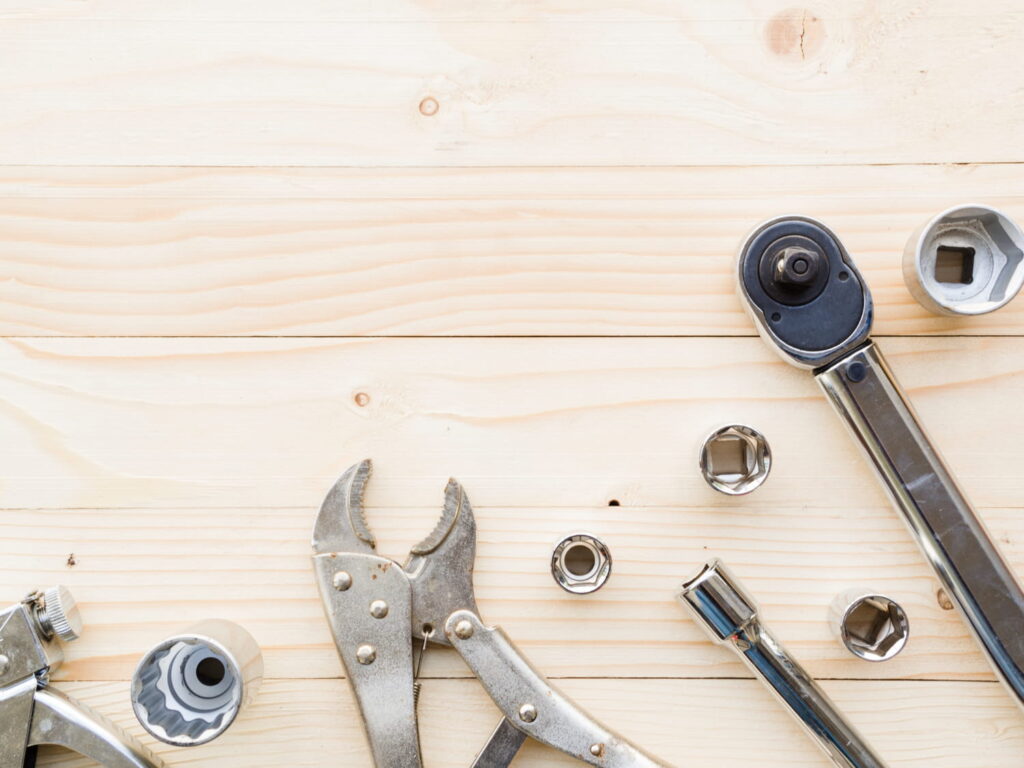 Using the proper equipment ensures the upright piano can be disassembled safely and efficiently.
Essential tools include:
- Screwdrivers or proper fasteners for cabinet panel removal
- Heavy-duty moving straps for stabilization
- A professional piano dolly rated for high weight capacity
- Protective blankets or padding to prevent surface damage
- Work gloves for safe handling
These tools help maintain control of the piano’s weight and prevent sudden movement during positioning.
Step 1: Remove the Top Lid
 The top lid is the easiest component to remove and should be handled first. Open the lid fully and locate the hinges or fasteners connecting it to the piano body.
Carefully detach the lid while supporting its weight. Once removed, place the lid in a secure location and protect it with padding.
Removing the top lid reduces the piano’s overall size and provides access to internal mounting areas.
Step 2: Remove the Front Panel
 The front panel protects the internal action assembly and must be removed before repositioning the piano.
Locate the fasteners or mounting brackets securing the panel. Carefully release these fasteners while supporting the panel to prevent it from falling.
Store the removed panel safely and protect it from damage.
Removing this panel prepares the piano for safer handling during movement.
Step 3: Remove the Lower Panel
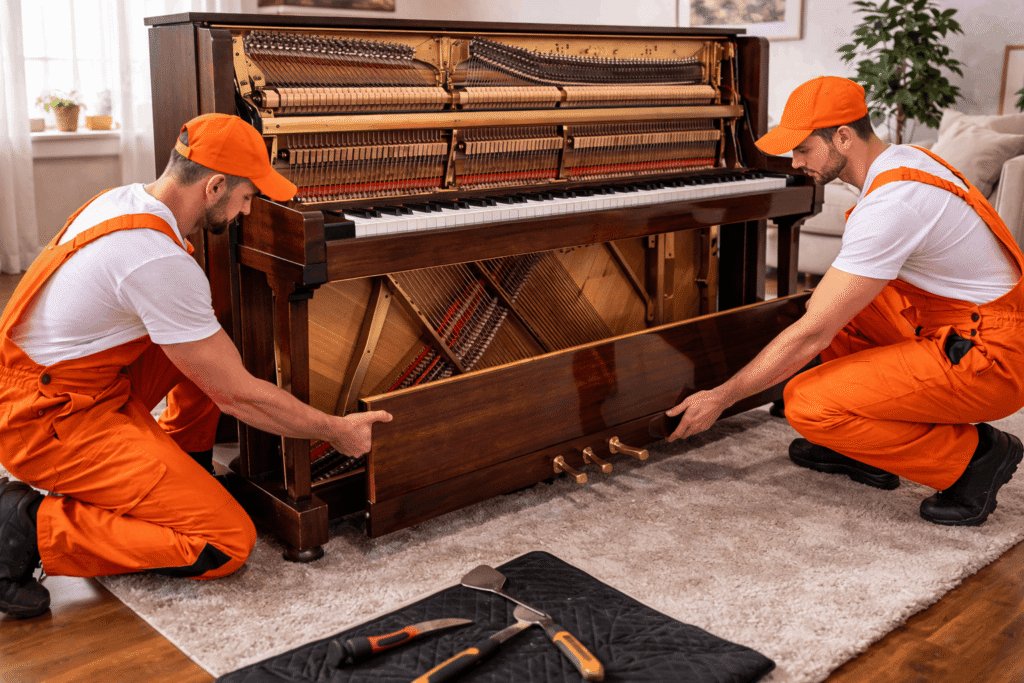 The lower panel is located beneath the keyboard and above the pedals. This panel must be removed to expose structural mounting points and reduce external weight.
Carefully detach the panel and place it in a secure location with protective padding.
Removing the lower panel prepares the piano for stabilization and transport.
Step 4: Secure the Keyboard Lid
 Before repositioning the piano, ensure the keyboard lid is securely closed. If the lid can be locked, engage the lock mechanism. If not, protective padding can be used to prevent movement.
Securing the keyboard prevents damage to the keys and internal action assembly during relocation.
Step 5: Position the Upright Piano on a Moving Dolly
 Once removable panels have been detached, the piano can be positioned onto a professional piano dolly.
With assistance, carefully tilt the piano backward while maintaining full control of its weight. Position the dolly beneath the piano and ensure it is properly centered to maintain balance.
Secure the piano firmly using moving straps to prevent shifting during transport.
At this stage, the upright piano is prepared for safe relocation.
Is It Safe to Disassemble an Upright Piano Yourself?
Upright piano disassembly is manageable when limited to removing external cabinet components. However, the piano’s weight and top-heavy design create safety risks if proper lifting techniques and stabilization equipment are not used.
Improper handling can result in:
- Tipping hazards
- Surface damage
- Internal alignment issues
- Physical injury
At least two people should assist when repositioning the instrument to ensure full control of its weight.
When Upright Piano Disassembly Is Necessary
Disassembling an upright piano may be necessary when:
- Moving through narrow doorways
- Navigating staircases
- Preparing the piano for transport
- Relocating between homes
- Preparing the piano for storage
Removing external panels reduces size and improves maneuverability without affecting structural integrity.
When Professional Assistance Is Recommended
Certain relocation scenarios require professional assistance, particularly when transporting the piano over long distances, navigating complex access areas, or lifting the instrument across uneven surfaces.
Professional piano movers use specialized equipment such as piano dollies, lifting straps, and stabilization techniques designed specifically for safe piano handling.
Professional assistance ensures the instrument remains protected throughout the relocation process.
If you need professional help, don’t hesitate to contact our professional piano movers, for advice and tips so you can disassemble your upright piano safely, and prevent unnecessary damages.
Preparing the Piano for Reassembly After Transport
Once the piano reaches its destination, the removed panels can be reattached by reversing the disassembly steps. Each panel should be securely fastened to restore structural protection.
Proper disassembly ensures the piano remains fully functional and protected during relocation.
Safe Upright Piano Disassembly Requires Preparation and Care
Disassembling an upright piano involves removing external cabinet components to prepare the instrument for safe relocation. By following the correct sequence, using proper tools, and maintaining full weight control throughout the process, the piano can be transported safely without affecting its internal structure.
Careful preparation and proper handling ensure the upright piano remains protected, stable, and ready for continued use after relocation.
Frequently Asked Questions
Can one person dismantle an upright piano safely?
No, upright piano disassembly and movement should never be performed by one person. The instrument’s weight and top-heavy design require at least two people to maintain control and prevent tipping or injury.
How long does it take to dismantle an upright piano?
Basic upright piano disassembly typically takes between 30 minutes and 1 hour when performed properly. Additional time may be required depending on accessibility and relocation conditions.
What is the hardest part of dismantling an upright piano?
The most difficult part is stabilizing and repositioning the piano safely due to its uneven weight distribution. Maintaining balance during handling is critical to prevent tipping or damage.
What happens if an upright piano falls during moving?
If an upright piano falls during moving, accountability depends on who was handling it at the time. When professional movers are in control, they are typically responsible, especially if the fall occurred under normal handling conditions covered by their service agreement and insurance.
However, if the owner moves the piano themselves or declines recommended equipment or disassembly, responsibility shifts to the owner. Liability generally follows whoever had physical control of the piano during the relocation.
Can dismantling an upright piano damage the internal mechanism?
Yes, improper dismantling can affect internal alignment, impacting sound quality and performance. Removing only external panels and maintaining structural integrity prevents internal damage.
How do you get rid of an old upright piano safely?
The safest way to remove an old upright piano is to either relocate it using proper moving equipment or hire professional piano removal services. If disposal is necessary, the piano can be dismantled partially to reduce size and weight before transport to recycling or disposal facilities. Never attempt to move or dismantle the piano alone due to its weight and instability.
How much does it cost to dismantle an upright piano?
Professional upright piano disassembly typically costs between $180 and $450 depending on accessibility, location, and transport requirements. Additional costs may apply if stairs, tight spaces, or long-distance transport are involved.
Is it cheaper to dismantle an upright piano yourself or hire movers?
While dismantling an upright piano yourself may reduce service costs, it increases the risk of injury and damage. Professional movers use specialized equipment to ensure safety and efficiency. Hiring professionals is often more cost-effective when considering safety and potential repair costs from improper handling.



 Address
 Phone
Phone Email
Email
