
 0459 032 871
Small homes get blamed for a lot of things. Not enough space. Too much clutter. Constant mess.
But more often than not, the real issue isn’t the size of the home — it’s how storage decisions are made.
Storage is usually added reactively. A shelf because a drawer is full. A basket because things keep piling up. Another cabinet because there’s nowhere else to put things. Before long, storage exists everywhere, yet the space feels tighter than before.
The best small home storage ideas don’t come from adding more furniture. They come from understanding where storage helps, where it quietly gets in the way, and when adding another “solution” actually makes the home feel smaller.
The Real Storage Problem in Small Homes
The biggest mistake people make in small homes and apartments is treating storage as furniture instead of a system.
Storage should support how you move through the space, not interrupt it. When storage blocks light, disrupts walkways, or constantly draws attention to itself, it stops being helpful. That’s why a home can look organised on paper but still feel cluttered in real life.
The most effective space-saving storage solutions are the ones you barely notice. When storage fades into the background, the home feels calmer and more functional.
Before You Add Storage, Decide What Deserves Easy Access
Before buying storage products or installing shelves, the most effective decision happens without spending a dollar.
You need to decide what deserves easy access and what doesn’t.
Items used daily or weekly should be within reach without effort. Items used occasionally can still be accessible, but they shouldn’t compete for eye-level or floor space. Items you can’t remember the last time you used don’t belong in prime storage areas.
This is also where thinking in functional zones matters, especially when planning storage ideas for small apartments. Most homes naturally fall into zones like cooking, working, resting, and entry. Storage works best when it supports the purpose of each zone rather than cutting across them.
Once this is clear, storage decisions become simpler, calmer, and far more effective.
A Storage Hierarchy That Actually Works in Small Spaces
Not all storage solutions work equally well in small homes. The most effective ones follow a clear order.
The best storage is the kind you barely notice. Space under beds, inside furniture, above doors, and within built-in compartments increases capacity without changing how the room feels. These hidden or low-impact solutions are the foundation of good small space storage.
Once those options are used, vertical storage can help. Walls and doors can support everyday habits when used with restraint. A few well-placed shelves or rails can free up bench and drawer space, but overcrowding walls quickly adds visual clutter that makes rooms feel smaller.
Open storage should be used intentionally. It works best for items used often and comfortable to see every day. When open shelving becomes a dumping ground, it adds mental noise instead of reducing clutter.
External storage should come last. It’s useful during transitions, but it shouldn’t replace a functional home layout or thoughtful storage planning.
Storage-First Furniture Is About Convenience, Not Cleverness

In a small home, every piece of furniture needs to earn its place.
Storage-first furniture works because it uses space that would otherwise be wasted. Beds with drawers, benches with hidden compartments, and ottomans that open don’t add bulk — they replace single-purpose furniture while adding practical storage.
What matters most is convenience. If accessing storage means lifting heavy lids, shifting cushions, or bending awkwardly, it won’t be used consistently. The best furniture-based storage solutions for small spaces fit naturally into daily routines, so you barely think about them.
The Storage Spaces Most Homes Completely Ignore
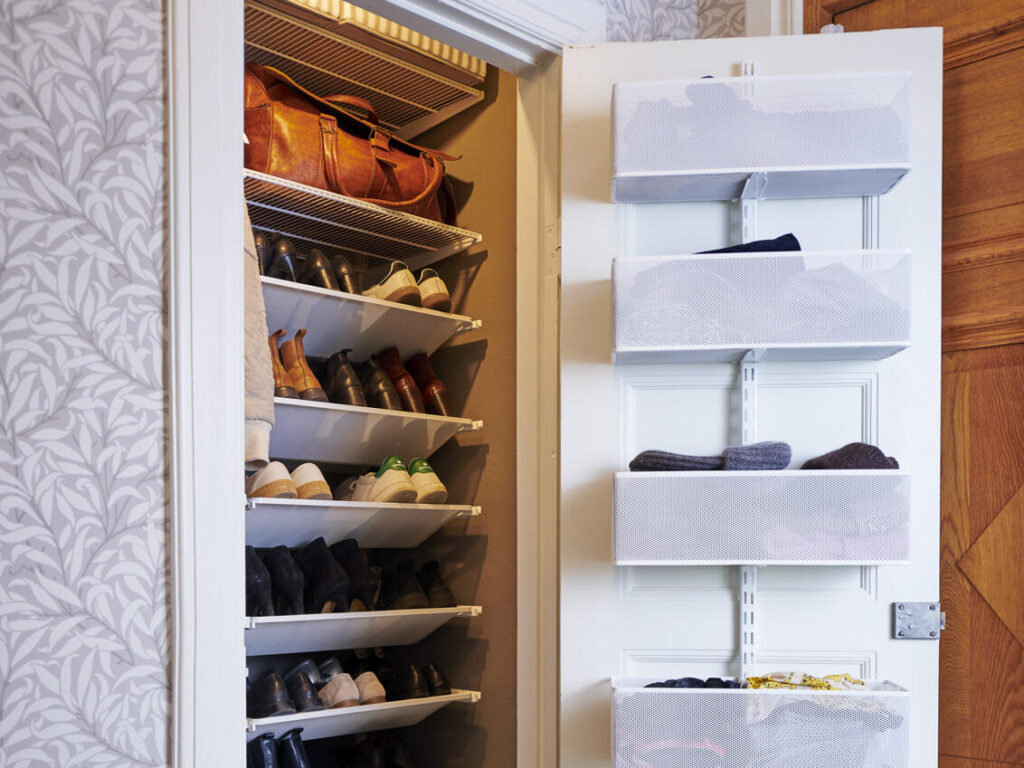 Some of the most effective storage opportunities are also the easiest to overlook.
The space behind doors, above toilets, along narrow hallway walls, and on top of wardrobes often sits unused. These areas rarely interfere with comfort or movement, which makes them ideal for shallow shelving or slim cabinets that quietly increase storage.
In real homes, this might mean a narrow shelf behind a bedroom door for bags and accessories, a slim cabinet above the toilet for toiletries, or using the top of a wardrobe for clearly labelled seasonal items. These small storage ideas reduce pressure elsewhere without making the home feel crowded.
Good storage doesn’t fill every gap. It focuses on spaces that don’t cost you light, flow, or breathing room.
When Open Storage Helps — and When It Quietly Fails
Open storage works when it removes friction from daily life. It fails when it adds mental clutter.
If you don’t want to see something every day, it shouldn’t live on an open shelf. Open storage is best reserved for essentials that are used frequently and feel intentional when left out.
In practice, this might look like a kitchen rail for cooking tools or a small entryway shelf for keys and wallets. It doesn’t mean displaying everything you own. If you find yourself constantly tidying shelves just to keep a room feeling calm, the problem isn’t discipline — it’s the storage choice.
The Reality of Small Apartments, Especially Older Ones
Many Australian apartments weren’t designed with modern living in mind. Built-in storage is often shallow, wardrobes lack depth, and there can be restrictions on drilling or permanent fixtures.
That’s why flexible storage solutions for small apartments often work better than custom cabinetry. Modular shelving, rolling carts, removable hooks, and renter-friendly organisers adapt as life changes.
Good storage isn’t about locking in a layout. It’s about allowing your home to respond to how you actually live.
When Storage Isn’t the Problem at All
Sometimes, the challenge isn’t storage — it’s timing.
Moves that don’t line up, renovations that stretch on, or downsizing that happens in stages can make even well-planned storage systems feel inadequate. In these moments, forcing everything into a permanent solution only adds stress.
Temporary storage can provide breathing room during transitions, giving you time to plan properly instead of rushing decisions that don’t suit the space long-term.
Final Thought: Storage Should Fade Into the Background
The best storage systems don’t draw attention to themselves. They quietly support daily life without demanding constant adjustment.
When your home feels easier to move through, calmer to look at, and less mentally cluttered, storage is doing its job — even if you can’t immediately explain how.
That’s the goal. Not more space, but better use of the space you already have.
Frequently Asked Questions
What is the first step to creating storage in a small home?
The first step is deciding what actually deserves easy access.
People who live comfortably in small homes don’t store everything equally. Daily-use items live within reach, occasional items move out of prime areas, and rarely used items stop competing for space altogether. Many people online say the biggest breakthrough wasn’t buying organisers — it was realising half their storage problems came from giving everything the same priority.
Do I need to declutter before adding storage, or can I just organise better?
You don’t need to declutter ruthlessly, but you do need clarity.
Real-world experiences consistently show that organising without reassessing usage just rearranges clutter. Decluttering doesn’t mean getting rid of things — it means deciding where each category belongs in your life. Once that’s clear, storage becomes simpler and more effective.
What are the most common storage mistakes people make in small spaces?
The most common mistake is adding storage reactively.
People often buy shelves, baskets, or cabinets to fix a single problem without considering flow, visibility, or long-term use. Another frequent issue is overusing open storage because it looks good in photos but becomes mentally exhausting in real life. Small homes benefit more from fewer, well-placed solutions than from constant additions.
How do I maximise storage in a small home without making it feel cluttered?
By prioritising low-impact storage first.
People who succeed in small spaces focus on under-bed storage, furniture with built-in compartments, and overlooked zones like above doors or behind furniture. Storage that doesn’t interrupt sightlines or walkways keeps rooms feeling open, even as capacity increases.
Is vertical storage better than traditional storage for small homes?
Vertical storage works — but only when used selectively.
Many people online report that wall shelves and rails helped initially, then became overwhelming when overused. Vertical storage is best for frequently used items and defined zones. When walls become crowded, they visually shrink the room. Balance matters more than height.
What types of furniture actually work for storage in small spaces?
Furniture that combines function with effortless access works best.
Beds with drawers, benches with hidden compartments, and lift-top tables consistently come up in real-world recommendations because they don’t require extra floor space. The key insight shared by many small-home dwellers is simple: if storage is annoying to access, it won’t be used.
Where should I store items I only use seasonally in a small home?
Seasonal items should live in the least convenient but least intrusive spaces.
Under beds, on top of wardrobes, or in labelled containers above eye level are common solutions people rely on. In Australian homes, seasonal needs are often lighter than colder climates, which makes rotating items easier. The main rule is keeping seasonal storage out of everyday living zones.
What storage solutions work best for renters who can’t drill or renovate?
Renter-friendly storage that adapts over time works best.
People renting small apartments often rely on removable hooks, tension rods, rolling carts, and modular shelving. These solutions show up repeatedly in real renter discussions because they avoid bond issues and can move with you. Flexibility usually beats permanence in rental homes.
When does external or temporary storage actually make sense?
External storage makes sense during life transitions, not as a permanent fix.
People commonly use it during moves, renovations, or staged downsizing. Online discussions often highlight frustration when storage units become “out of sight, out of mind” dumping grounds. Used intentionally and temporarily, storage buys breathing room. Used indefinitely, it delays decisions.
How do I keep a small home organised long-term without constantly reorganising?
Long-term organisation comes from reducing friction, not increasing rules.
People who maintain small spaces successfully tend to rely on systems that are easy to reset, not perfect to maintain. When storage supports daily habits instead of fighting them, reorganisation becomes occasional rather than constant. The goal isn’t perfection — it’s effortlessness.



 Address
 Phone
Phone Email
Email
