
 0459 032 871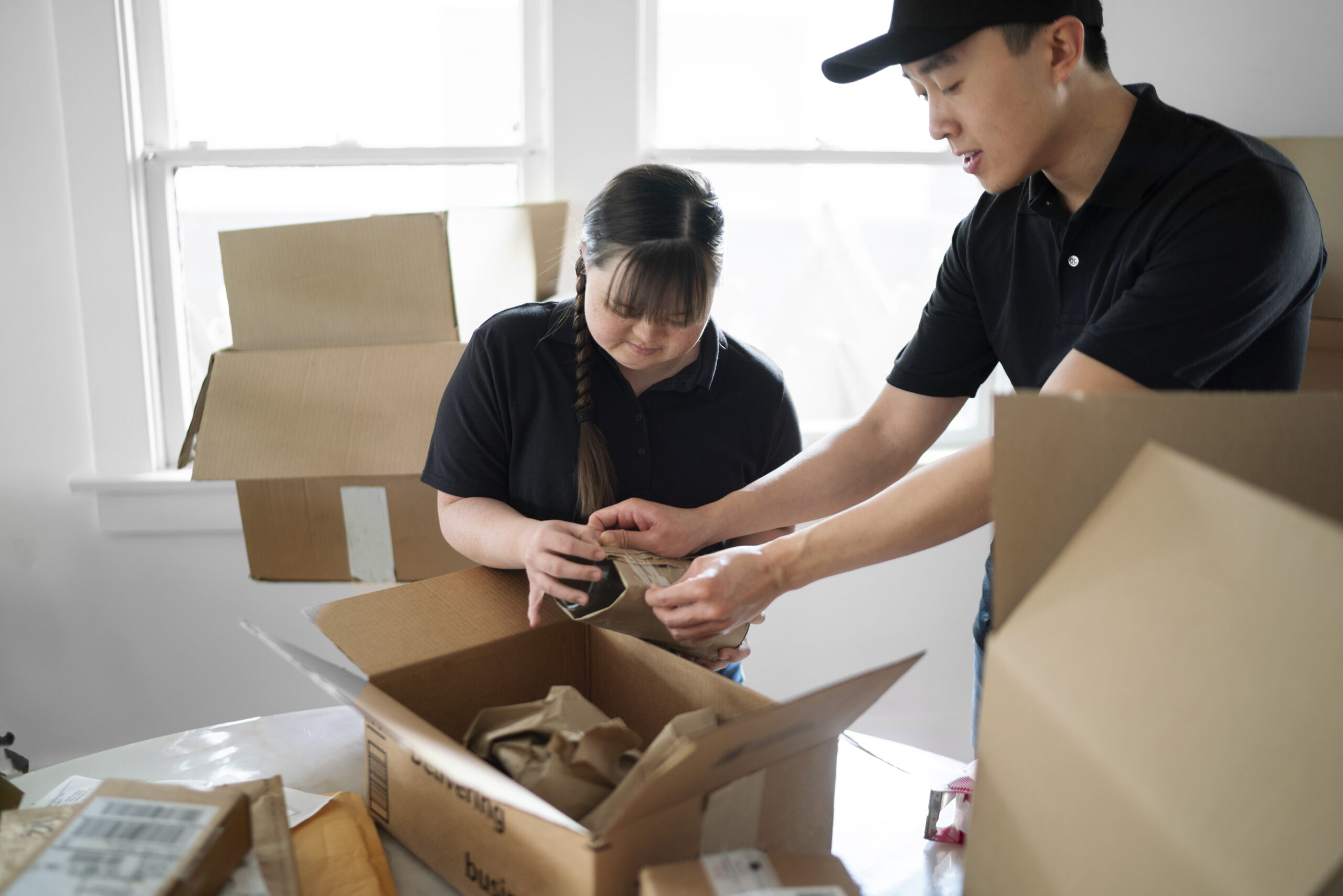
Relocating to Melbourne can feel like juggling flaming torches while riding a unicycle—especially in a vibrant city like Australia’s second-largest city. Whether you’re drawn to its famous coffee culture, world-class medical facilities like the Royal Melbourne Hospital, or the exciting adventure of exploring boutique shops and live music venues, moving to Melbourne requires careful planning.
Picture yourself sipping a flat white in a cozy laneway café, or catching a thrilling game at the iconic Melbourne Cricket Ground. It’s an exciting adventure waiting to unfold, but it all starts with a solid plan. This moving guide is here to help you transition stress-free. From setting up your bank account to finding short-term accommodation and getting your Myki card for public transport, we’ve got you covered.
Whether you’re a student, a professional, or a family, this guide will walk you through every step, making sure you feel at home in no time.
A is for Assess: Start with a Game Plan

Relocating to Melbourne is more than a change of address — it’s the beginning of a new chapter. Before you even tape the first box, pause to plan. Whether you’re moving from Sydney, another part of Victoria, or overseas, a solid strategy will keep the chaos in check.
Every suburb in Melbourne has its own personality. Carlton thrives on café culture, Fitzroy buzzes with creativity, and Hawthorn offers leafy calm and family-friendly streets. Research which neighborhood fits your lifestyle, commute, and budget. Then, make a checklist: declutter your space, compare moving companies, and notify utilities early.
Pro Tip: Use digital tools like Trello or Notion to track your tasks. A clear plan today means fewer surprises on moving day — and a smoother start to your life in Melbourne.
B is for Budget: Keep Costs in Check

Melbourne offers an incredible lifestyle — world-class coffee, culture, and community — but it also comes with a price tag. Understanding your financial picture early helps you stay grounded during the move.
Consider the essentials: rent, moving company fees, transport passes like the Myki card, and setup costs for utilities. A one-bedroom apartment in the city centre rents higher than those in outer suburbs such as Preston or Footscray.
If you’re moving from overseas, account for currency exchange, relocation fees, and visa-related expenses. If you plan to work, apply for your Tax File Number (TFN) in advance.
Money-Saver Tip: Move mid-week or during Melbourne’s quieter winter months. You’ll save on rates and have better availability with trusted movers — leaving more of your budget for your first laneway coffee.
C is for Crates: Pack Like a Pro

Packing is where good intentions can quickly unravel. Start early — ideally six weeks out — and tackle one room at a time. Label each box clearly (“Kitchen – Plates & Mugs”) and keep a digital inventory on your phone to avoid confusion.
Use bubble wrap, sturdy tape, and weatherproof bags for valuables. Melbourne’s weather can switch from sunshine to rain in minutes, so protect anything sensitive to moisture.
Hack: Prepare an “Essentials Box” for your first few days — kettle, snacks, chargers, spare clothes, and important documents like your lease, passport, and bank details.
When you start wrapping up delicate kitchenware or disassembling large appliances, take a moment to follow proven packing methods — sturdy boxes, layered cushioning, and a little patience go a long way. If you’ve never packed household appliances or fragile décor before, our detailed moving guides walk you through the safest ways to handle them step by step. With the essentials boxed and ready, that first morning in Melbourne feels calm, organized, and already a little like home.
D is for Disconnect: Sort Your Utilities

Nothing dampens the excitement of move-in day like realizing your lights won’t turn on or the Wi-Fi isn’t connected. Two weeks before the move, contact your current providers to schedule disconnection and book connections at your new address.
Melbourne’s major utility companies, such as Origin Energy, AGL, and EnergyAustralia, usually let you manage everything online. If you’re setting up internet service, check whether your new suburb has NBN access — coverage varies across the city.
For everyday transport, register for a Myki card so you can jump straight onto trams and trains when you arrive. It’s one of those small steps that makes your first week flow more smoothly.
Pro Tip: Keep confirmation emails from your providers in one folder or labeled in your inbox. Having all the details ready can save hours of follow-up later.
E is for Explore: Get to Know Melbourne

Once the boxes are unpacked and the kettle’s on, it’s time to get acquainted with the city you now call home. Melbourne rewards curiosity. Spend a morning wandering its laneways, where cafés spill onto cobblestone alleys and street art covers entire walls.
Take a tram to the Queen Victoria Market for fresh produce, or catch a match at the Melbourne Cricket Ground to experience the city’s passion for sport firsthand. For quiet weekends, the Royal Botanic Gardens and Yarra River trails are perfect escapes within minutes of the CBD.
Pro Tip: Dedicate your first few weekends to exploring different suburbs — Carlton for Italian dining, Fitzroy for music and markets, and South Yarra for boutique shopping. The best way to settle in is to live like a local from day one.
F is for Furniture: Move It or Lose It

Big furniture pieces can turn a move into a puzzle of their own. Melbourne’s narrow streets and apartment elevators aren’t always forgiving, so plan what stays and what goes. Measure doorways and hallways in advance, and decide which items truly deserve the trip.
If a sofa or wardrobe doesn’t fit the new space, consider selling it on Gumtree or Facebook Marketplace, or donating it to local charities. It’s a lighter, more sustainable way to start fresh.
When you’re moving furniture through Melbourne apartments or smaller homes, small adjustments — like disassembling legs or wrapping corners — prevent damage and save time. You’ll find practical ideas for handling tight spaces in our detailed moving resources, which cover everything from lifting techniques to staging furniture efficiently once you arrive.
Pro Tip: Treat yourself to one new piece once you’ve settled in. A small addition that feels uniquely “Melbourne” — maybe a framed print from a local artist — helps your new space feel personal right away.
G is for Grit: Navigating Melbourne’s Roads

If you’re driving on move-in day, brace yourself — Melbourne’s traffic can test even the calmest driver. The city’s unique “hook turns” and tram-heavy intersections can catch newcomers off guard. Spend a few minutes studying how hook turns work and use navigation apps like Google Maps or VicTraffic to check for delays before you load up the van.
When possible, plan your route for early morning or late evening to avoid congestion, especially near the CBD. Many inner suburbs require parking permits for moving trucks, so call your local council a week ahead to arrange temporary access.
Pro Tip: Keep calm and patient behind the wheel. Melbourne drivers are used to the flow of trams, cyclists, and pedestrians sharing narrow streets. A bit of preparation — and grit — makes your first city drive much smoother.
H is for Help: Hire the Pros

Moving to Melbourne doesn’t have to be a solo mission. Hiring professional movers can turn what feels like a marathon into a manageable, well-orchestrated day. Look for companies with local experience — they’ll understand how to navigate tight staircases, laneway apartments, and unpredictable weather.
Reading verified reviews and asking for recommendations through local Facebook groups or community pages can help you find the right team. When comparing options, look for movers who offer insurance and transparent pricing.
If you’re ready to make the move simpler, Puzzle Movers has helped hundreds of residents and families settle into their new Melbourne homes quickly and stress-free. We know every shortcut, side street, and suburb nuance that makes a difference on moving day.
Pro Tip: Confirm your booking a week in advance, and double-check arrival times. On the day itself, keep essentials — keys, paperwork, phone charger — with you at all times.
I is for Insurance: Protect Your Stuff

No matter how careful everyone is, accidents can happen. Before the moving truck arrives, make sure your belongings are covered. Some moving companies include basic transit insurance, but it’s often worth securing additional coverage for valuables or sentimental items.
If you’re relocating from abroad or interstate, check your existing insurance policies to see what’s already covered during transit. In some cases, you might also consider short-term contents insurance until you’ve fully settled in.
While you’re sorting coverage, review your private health insurance as well — especially if you’re new to Australia. Access to Melbourne’s excellent medical facilities, such as the Royal Melbourne Hospital, can give you peace of mind as you start fresh in a new city.
Pro Tip: Keep digital copies of all policies in a shared folder so you can access them quickly if needed.
J is for Joy: Celebrate the Wins

Once the last box is unpacked and the furniture’s in place, take a moment to breathe. You’ve done it — you’ve moved to one of the most livable cities in the world. Whether you toast with a glass of wine, a flat white, or a local craft beer, celebrate the effort it took to get here.
Moving isn’t just about logistics; it’s an emotional journey. Between the packing lists and utility calls, it’s easy to forget that what you’re really doing is creating a new life. Mark the moment — order your favorite takeaway, invite a few friends over, or simply enjoy a quiet evening surrounded by your new space.
Pro Tip: Don’t rush to make everything perfect right away. Let your home evolve naturally as you settle in and discover the small joys that make Melbourne feel like yours.
K is for Kids: Ease Their Transition

If you’re moving with children, preparation and empathy go a long way toward helping them adjust. Involve them early — let them choose decorations for their new room or pack their own “first-day box” with favorite toys and comfort items.
Melbourne offers excellent schooling options, from public and private schools to international programs. Visit potential schools ahead of time, if possible, so the transition feels less abrupt. Once you’ve arrived, make weekend outings part of your settling-in ritual: a trip to the Melbourne Zoo, Scienceworks in Spotswood, or a picnic at Albert Park can turn the unfamiliar into adventure.
You’ll also find plenty of local parent networks and community groups that welcome new families. A few familiar faces can make the city feel like home faster than you’d expect.
Pro Tip: Stick to familiar routines in the first few weeks — consistent bedtimes, family dinners, and weekend walks help kids feel secure in their new environment.
L is for Labels: Stay Organized

When unpacking day arrives, the difference between order and chaos often comes down to how you labeled your boxes. Clear, detailed labels save hours of searching and frustration. Write not just the room name but also a short description of what’s inside — “Living Room – Books & Remote Controls” or “Kitchen – Glassware & Cutlery.”
Color-coding or numbering boxes can also help you track them easily, especially if multiple people are unloading. For a tech-friendly upgrade, try QR code labels linked to a shared spreadsheet so everyone knows where things belong.
Pro Tip: Once you’re done, keep a few empty boxes aside for post-move recycling or donation runs. Staying organized now helps you settle in faster — and start enjoying your new Melbourne life sooner.
M is for Mates: Rally Your Crew

Moving day is always easier with good company. Call in a few friends or relatives to help, and turn what could feel like a chore into a memorable shared effort. A little laughter between lifting boxes can ease the stress and make the process more enjoyable.
If you’re new to Melbourne and don’t have a local circle yet, don’t worry — community is easy to find here. Many neighborhoods have social clubs, hobby groups, or even local Facebook pages where newcomers connect over shared interests. From trivia nights at the local pub to weekend markets, it won’t take long to build your network.
Pro Tip: Keep the atmosphere light on moving day. Order pizza, play music, and thank your helpers with a meal once the last box is inside. A simple gesture goes a long way in starting life in a new city surrounded by good energy.
N is for Notify: Update Everyone

Changing your address might seem like a minor task, but it’s one of the most important steps in settling in smoothly. Start by updating your details with Australia Post so your mail gets redirected to your new home. Then, inform your bank, insurance provider, employer, and any subscriptions or online deliveries you rely on.
If you hold a Victorian driver’s licence, updating your information with VicRoads can be done online in minutes. A quick update now saves you from lost mail, missed bills, and unnecessary stress later.
Pro Tip: Create a short checklist of every organization that needs your new address. Work through it over a cup of coffee in your first week — it’s one of those small tasks that makes a big difference to your peace of mind.
O is for Organize: Master the Timeline

Even the most complex move becomes manageable with a well-structured timeline. Start about six weeks out by decluttering — donate, sell, or recycle what you no longer need. This keeps moving costs down and gives you a fresh start. Four weeks before your move, begin packing non-essential items and confirming quotes with your chosen moving company.
At the two-week mark, arrange your utilities and services, redirect mail, and finalize any paperwork. The final few days should be reserved for packing essentials, cleaning, and double-checking your moving day logistics.
If you’re still deciding what to keep or let go of, our detailed home organization guide on decluttering can help you make thoughtful choices before and after the move. Getting organized isn’t just about boxes and labels — it’s about creating a smooth transition into your next chapter.
Pro Tip: Keep a printed version of your moving timeline visible, so everyone in the household can stay on track.
P is for Pets: Keep Them Calm

Moving can be stressful for pets, too. New sights, smells, and sounds can unsettle even the most easygoing animal. Before moving day, set aside a quiet space with their bed, toys, and water bowl so they feel secure amid the packing chaos. On the day itself, keep them in a familiar carrier or with a trusted friend until you’ve settled in.
Once you’re in Melbourne, update their microchip details with your new address. The city is wonderfully pet-friendly, with off-leash parks and cafés that welcome four-legged companions. Suburbs like Elwood, Brunswick, and Yarraville have dedicated pet areas where both you and your animal can unwind.
If you’re preparing to travel with a pet, having help moving furry or scally friends cover safe ways to transport and resettle them without stress. With a little planning, they’ll adapt to their new Melbourne routine in no time.
Pro Tip: Bring an unwashed blanket or toy from your old home to provide a comforting scent during the transition.
Q is for Quotes: Shop Around

Before you book movers or boxes, take time to quote your move properly. A clear estimate helps you stay in control of your budget and avoid surprise costs later.
List your main expenses — movers, packing supplies, cleaning, storage, and utilities — then add a small buffer for the unexpected. If you’re coming from interstate or overseas, remember to include travel, shipping, or customs fees.
Once you’ve mapped out your total costs, you’ll have a realistic view of what your move to Melbourne will take — financially and logistically.
Pro Tip: Always budget 10–15% extra for delays or last-minute changes. A little flexibility keeps your move stress-free.
R is for Rest: Pace Yourself
It’s easy to underestimate how physically and mentally demanding moving can be. Between lifting boxes, navigating paperwork, and coordinating schedules, you might forget to take a break. But rest is part of the process — it keeps your energy steady and your focus sharp.
Take short breaks to hydrate and stretch, especially during long packing sessions. Get a full night’s sleep before moving day so you can make decisions clearly and calmly. Once you’ve moved in, give yourself permission to pause — sit on the couch, enjoy a coffee, and look around. You made it.
Pro Tip: Schedule one “no tasks” day in your first week. Use it to relax, explore your neighborhood, or do nothing at all. Settling in starts with slowing down.
S is for Storage: Plan for Overflow

Even the best-planned move can leave you with more belongings than space. If you’re unsure what fits or want time to decide, short-term storage is a simple solution. Melbourne offers plenty of secure facilities, from city options to suburban units in areas like Richmond and Preston.
Label boxes clearly before storing them, and keep an inventory list so you know what’s tucked away. This way, you can unpack at your own pace without cluttering your new home.
Pro Tip: Choose a storage unit close to your new suburb. Easy access lets you retrieve what you need as you settle in, without extra travel or stress.
T is for Transport: Get There Smoothly

Melbourne’s public transport network makes life in the city easier once you’ve arrived, but moving day itself requires planning. If you’re driving your own van, check local parking restrictions and permit requirements — some suburbs are strict about where trucks can stop.
If you prefer professionals, book movers who know how to navigate narrow streets and tram zones efficiently. For everyday commuting, set up your Myki card early so you can travel by tram, train, or bus from day one.
Pro Tip: Plan your move outside of peak hours to avoid traffic. Melbourne mornings and late afternoons can add hours to what should be a quick trip.
U is for Unpack: Settle In Smart

Unpacking is your first real moment of arrival — the point where your new space starts feeling like home. Begin with essentials like bedding, kitchenware, and toiletries before moving on to décor or storage.
If your new place is compact, think vertically: shelves, under-bed storage, and modular furniture make the most of smaller Melbourne apartments. You can also find inspiration in our guide to organizing small bedrooms, which helps turn tight spaces into comfortable living areas.
Pro Tip: Tackle one room at a time. A gradual approach keeps the process manageable and helps your new home come together naturally.
V is for Vehicles: Sort Parking
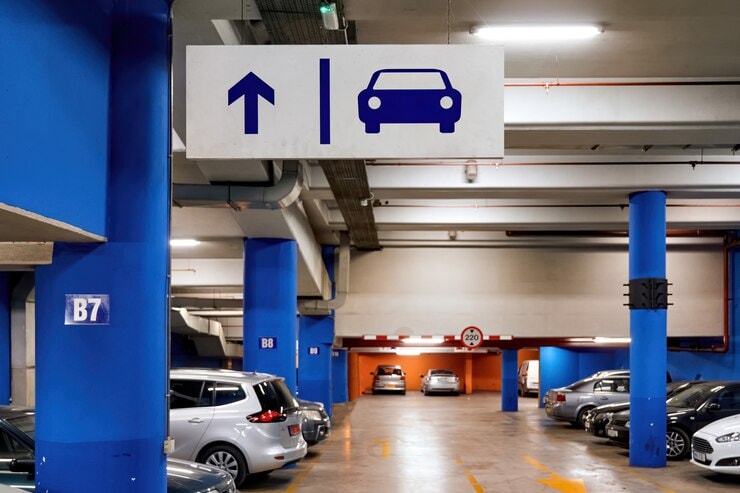
Before you unload a single box, make sure you understand Melbourne’s parking rules. Many inner-city areas, such as South Yarra or Collingwood, require resident or temporary permits — and fines can be steep for overlooking them.
Contact your local council a week before moving day to arrange the right permit if you’re using a moving truck or van. Once you’ve settled in, check whether your building offers on-site parking or if you’ll need a street permit for your car.
Pro Tip: Always read local signage carefully. Melbourne’s parking restrictions can change from block to block, and a quick check can save you unnecessary costs.
W is for Weather: Be Ready

Melbourne is famous for having “four seasons in a day,” and that’s not an exaggeration. A move that starts under clear skies can turn into a wet afternoon without warning. Protect your belongings by wrapping furniture in plastic or waterproof covers, and keep electronics sealed in sturdy containers.
Plan ahead by checking the forecast the week of your move. If possible, book early in the day — mornings are usually calmer and less humid.
Pro Tip: Keep towels and spare clothing handy on moving day. A little preparation turns unpredictable weather into just another Melbourne story.
X is for eXtras: Tie Up Loose Ends

Before you say goodbye to your old home, take care of the small tasks that are easy to overlook. Return borrowed items, library books, or keys; cancel old memberships; and clean your previous space thoroughly for the next occupant.
It’s also a nice moment to say farewell — grab one last coffee from your favorite local café or walk through the park that’s been part of your routine. Closure makes the transition feel complete and helps you step into your new Melbourne life without loose ends.
Pro Tip: Keep a short “final checklist” for your old address. It’s the simplest way to make sure nothing — and no memory — is left behind.
Y is for Yarra: Cross with Care
If your move takes you across the Yarra River — from north to south or the other way around — give yourself extra time. Melbourne’s famous bridges, like the Bolte and West Gate, can slow down during peak hours, especially on weekends and early evenings. Planning ahead keeps your move efficient and your stress low.
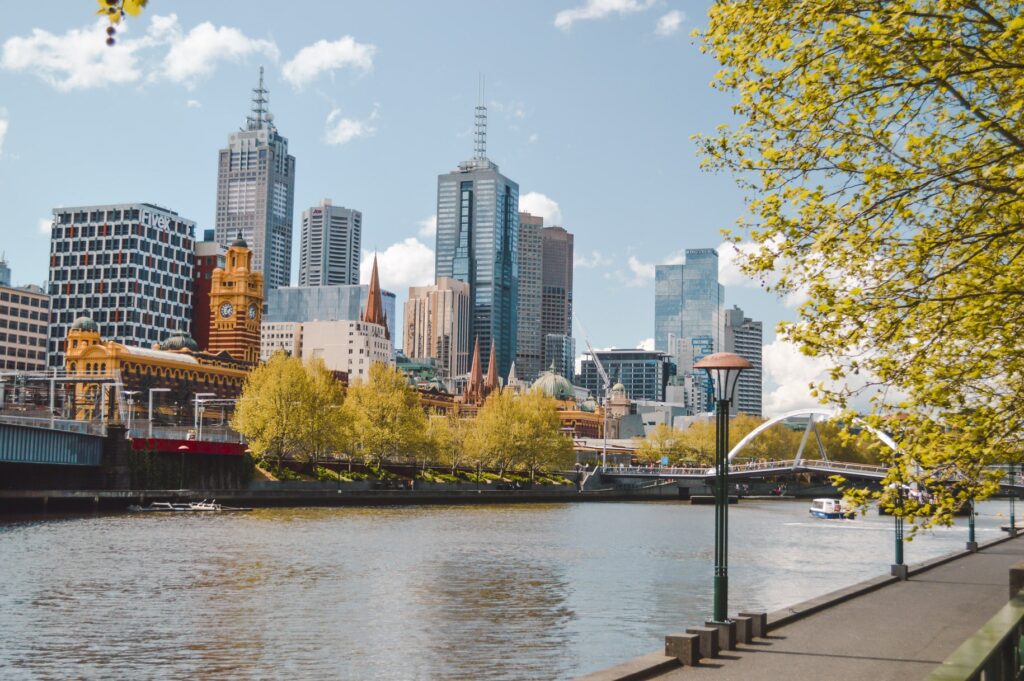
The Yarra, though, is more than a route to cross — it’s part of the city’s character. Once you’re settled, take the time to explore it properly. A river cruise offers a peaceful way to see Melbourne from a new perspective, drifting past the skyline, the Botanic Gardens, and the lively Southbank Promenade. It’s a reminder that the city isn’t just where you live, but something you can experience.
Pro Tip: After unpacking, reward yourself with a weekend cruise or a quiet walk along the riverbanks. It’s one of the simplest ways to reconnect with the city and appreciate just how far you’ve come.
Z is for Zen: Embrace the Journey

Moving is rarely flawless, but it’s always transformative. The boxes, the planning, the last-minute runs to the store — they all lead to the same place: your new life in Melbourne. Take it one task at a time and remind yourself that progress, not perfection, is the goal.
Soon enough, you’ll have favorite laneways, regular cafés, and neighbors you know by name. Melbourne rewards patience and curiosity — lean into both.
If you’re planning your move, Puzzle Movers can help you handle every step with confidence and care, so you can focus on what really matters: settling in and enjoying your new city.
Pro Tip: At the end of moving week, do something just for you — visit a local gallery, take a tram ride, or simply sit back with a coffee and look around. You’re home.
Your Melbourne Moving Guide Cheat Sheet
- Six weeks out: Start decluttering — donate, sell, or recycle what won’t come with you. Once your load is lighter, lock in your moving company and begin collecting packing supplies.
- Four weeks out: Begin packing non-essentials and label everything clearly. Confirm your new address and lease details, and start sorting any paperwork you’ll need for the move.
- Two weeks out: Arrange utilities for your new home, open a local bank account if needed, and update your address with Australia Post to redirect mail.
- One day out: Pack your essentials box — chargers, toiletries, documents, snacks, and a change of clothes. Confirm the mover’s arrival time and double-check your inventory list.
Embrace Your New Life in Melbourne
Relocating to Melbourne isn’t just a change of address — it’s a fresh chapter in a city that rewards curiosity. From laneway cafés and live music to world-class hospitals and a robust job market, there’s space here for students, professionals, and families to thrive.
This guide is designed to take the pressure out of moving so you can focus on settling in: finding your neighborhood rhythm, setting up the essentials, and discovering the small rituals that make a place feel like home. With strong schools, diverse communities, and a culture that runs on conversation and good coffee, Melbourne meets you halfway.
Take it step by step. Use the timeline, lean on local know-how, and give yourself time to arrive fully. Before long, you’ll have your regular tram, your go-to barista, and a short list of favorite corners along the Yarra. Welcome to your new life in Australia’s second-largest city — vibrant, imperfect, and endlessly rewarding.
Thinking about how to move to Melbourne? Take it step-by-step, lean on local know-how, and soon you’ll be calling Melbourne home—tram delays and all.
Frequently Asked Questions
Is moving to Melbourne a good idea?
It’s best to schedule and book professional movers at least 4-6 weeks in advance, especially during peak packing and moving seasons.
What attracts people to live in Melbourne?
Melbourne is home to some of the world’s leading education providers (including Australia’s highest ranked university), research institutes and innovation clusters and is consistently ranked as Australia’s ‘Best Student City’ and one of the world’s ‘Most Liveable’ cities.
Is Melbourne easy to live in?
Melbourne is not just Australia’s best student city, it is also ranked as Australia’s ‘most liveable’ city and #4 in the world’s behind Vienna, Copenhagen and Zurich. Across 5 broad categories, Melbourne scored a perfect 100/100 in Healthcare, Infrastructure and Education.


 Address
 Phone
Phone Email
Email
