
 0459 032 871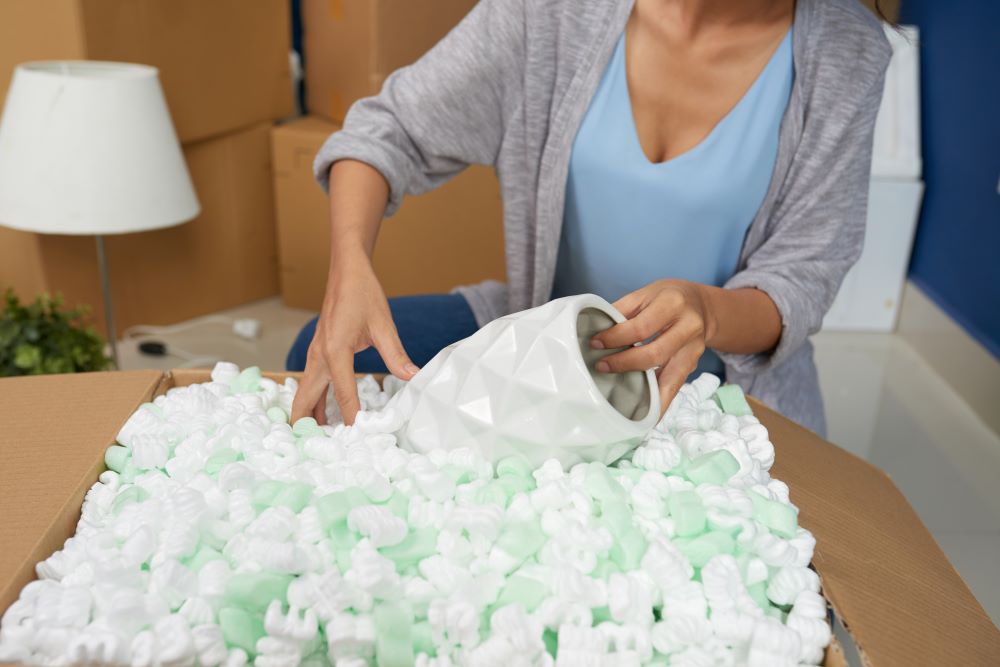
The good news? You don’t need to rely on a “fragile” sticker (which sometimes gets treated like a challenge). There are proven, practical ways to pack fragile items using proper packing materials, techniques, and a bit of common sense.
This guide walks you through the most delicate items and shows you how to protect them—step by step. Whether you’re moving house or preparing to ship valuable goods, these tips cover the best way to pack fragile items from start to finish—but not everything fits neatly into a box of bubble wrap. If you’re wrangling bulky gear like washing machines or air fryers, packing large appliances for a move needs a whole different strategy.
What Are Fragile Items and Why Should You Care?

Fragile items are things that break, crack, or chip easily—glassware, electronics, ceramics, artwork, antiques, and even flowerpots. These delicate items often have sentimental or monetary value, which makes packing them with extra care crucial.
If you’re unsure about the best way to pack fragile items for shipping or moving, start by identifying which items are most vulnerable.
Most Difficult Fragile Items to Move
| Item Type | Why Difficult to Handle | Common Issues Reported |
|---|---|---|
| Glassware/Crystal | Breaks easily, needs individual wrap | Shattering, chipping |
| China/Dinnerware | Chips/cracks from stacking/impact | Cracking, edge chips |
| Mugs/Ceramics | Bulk, shape, mass packing needed | Mass breakage, time-consuming |
| Mirrors/Frames | Large, fragile, hard to pad | Cracking, shattering |
| Lamps/Lampshades | Awkward, crushable | Bending, tearing |
| Vases/Figurines | Odd shapes, brittle | Snapping, shattering |
| Electronics | Sensitive, expensive | Internal and external damage |
| Antiques/Collectibles | Irreplaceable, fragile | Loss of value, sentimental loss |
| Musical Instruments | Sensitive to shock/temp/humidity | Warping, breakage |
| Plants/Flowerpots | Heavy, slippery, fragile | Pots breaking, plants damaged |
Why Do Fragile Items Break So Often?
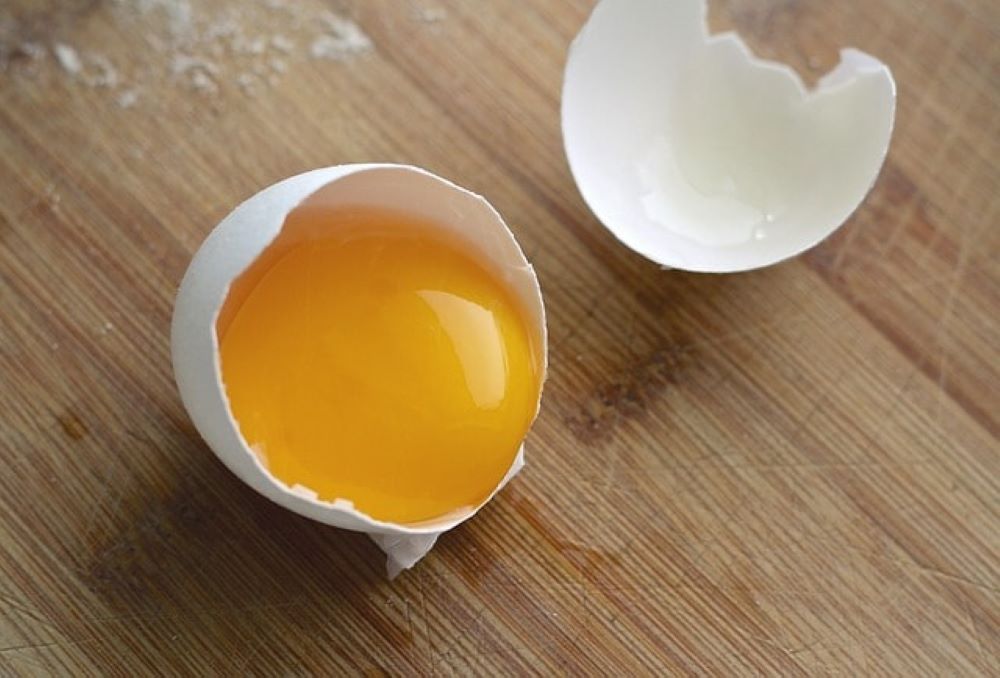
Breakage often happens due to:
- Poor packing techniques
- Inadequate or incorrect materials
- Items shifting in extra space during transit
- Boxes being dropped or stacked without care
Pro Tip: Even the best box won’t save your fragile belongings if the items inside can move. Movement = damage.
How to Pack Fragile Items for Moving: Step-by-Step Guide

Let’s explore how to pack each item safely for maximum protection, using the best packing material for fragile items and smart techniques.
1. How to Pack Glassware and Crystal Safely (Step-by-Step)
Glassware is one of the most commonly damaged items during a move—and also one of the most preventable with the right steps. Use:
- Printless packing paper to wrap each item individually
- Bubble wrap for delicate stems (invest in the best bubble wrap for fragile items for extra peace of mind)
- Cardboard dividers or crumpled paper to fill empty spaces
- Double-walled boxes or double-boxing for extra protection
Quick Test: Shake the box gently. No sound? You’re good.
2. Dinnerware & China
Stack plates vertically like records, not pancakes:
- Layer packing paper or foam between each plate
- Wrap each item individually
- Use dish-pack boxes and fill all empty space (boxes for fragile items work best here)
3. Mugs & Ceramics
Handles snap easily:
- Wrap the whole mug, giving handles extra care
- Pack upright, fill voids, and use cardboard dividers for multiple items
4. Mirrors & Picture Frames
For larger items:
- Tape a large “X” on glass with painter’s tape
- Wrap in layers—first packing paper, then bubble wrap
- Use cardboard panels and pack vertically
5. Lamps & Lampshades
Breakable and awkward:
- Dismantle and wrap each part
- Use tissue paper or pillowcases on shades, not newspaper
- Add cushion at corners using clothes or towels
6. Vases & Decorative Items
Irregular shapes need extra care:
- Wrap like a burrito, focusing on hollow areas
- Use small boxes or double-box with packing peanuts
- Fill every space—don’t cut corners
7. Electronics
Sensitive gear needs serious protection:
- Remove batteries; use anti-static wrap
- Use original packaging when possible
- Pad generously and secure all equipment—especially if you’re moving your favorite screen-time companion. Whether it’s the PS5, your multi-monitor battlestation, moving a gaming setup safely deserves its own strategy.
8. Antiques & Collectibles
Sentimental? Pack accordingly:
- Use acid-free tissue and bubble wrap
- Double-box and avoid throwing things in hastily
- Consider expert removalists for high-value pieces
9. Musical Instruments
They need structure and stability:
- Always use a hard case
- Loosen strings and pad fragile sections
- Pack tightly and label clearly
10. Plants & Flowerpots
Live items require special handling:
- Cover soil to avoid spillage
- Wrap the pots and fill the box carefully
- Transport upright, avoid empty space
Must-Have Packing Materials for Fragile Belongings
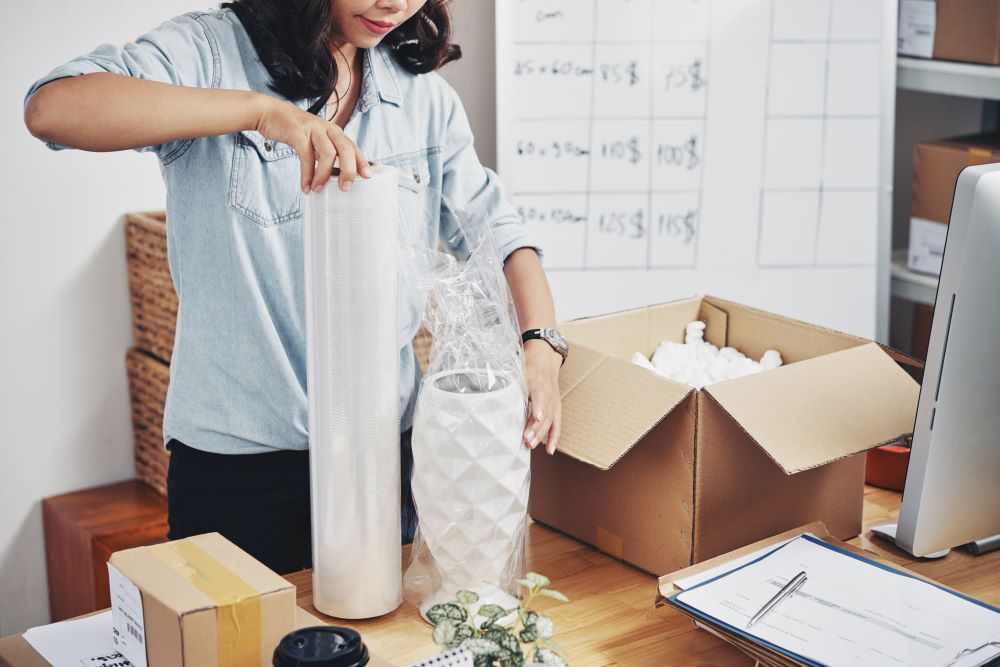
| Material | Purpose |
|---|---|
| Bubble wrap | Shock absorption |
| Packing paper | Non-abrasive individual item wrapping |
| Tissue paper | Lightweight covering for delicate surfaces |
| Foam sheets/peanuts | Fill gaps and cushion hollow items |
| Double-walled boxes | Strong base for fragile belongings |
| Cardboard dividers | Keep items from clashing |
| Packing tape | Secure seals and edges |
| Towels/socks/clothes | Extra padding and space filler |
Eco Tip: Repurpose clothes or towels to save money and reduce waste. You can find additional tips on reusing packing materials at Planet Ark.
Pro Tip: Choosing the best packing material for fragile items ensures fewer surprises when unpacking.
Choosing the Right Shipping or Moving Service
| Service Type | Features |
|---|---|
| National couriers | Tracking, insurance, reinforced boxes |
| Specialty couriers | White-glove for art/antiques |
| Expert removalists | Full-service packing and fragile item transport |
Looking for the best courier for fragile items or the best shipping service for fragile items? Australia has plenty of reliable options like AusPost and private logistics services. Compare features, especially for larger or delicate shipments.
Let the Experts Handle It

We get it—packing fragile items isn’t just time-consuming, it’s mentally exhausting. If the thought of wrapping every glass, vase, and plate is stressing you out, you’re not alone. Fortunately, you don’t have to do it all yourself.
Professional removalists are trained to handle delicate and high-value items with the kind of care and precision that only comes from years of experience. From custom packing materials to safe transportation, these experts know how to cushion, wrap, and secure even the trickiest pieces.
Hiring a professional mover not only saves you time—it gives you peace of mind. You can focus on your move while the experts handle the fragile stuff.
Final Thoughts
Packing fragile items takes more than just stuffing things into a box—it takes planning, layering, and knowing how to cushion each piece. Label clearly, wrap thoroughly, and don’t forget to protect corners and edges. For an extra layer of security, look into the best delivery service for fragile items if you’re mailing valuables.
When in doubt, pack like it’s irreplaceable—because often, it is. And if you’re unsure, refer back to this checklist or seek advice on moving house from local providers like AusPost or your chosen moving company.



 Address
 Phone
Phone Email
Email
