
 0459 032 871
How do you make moving house easier for kids?
Start by talking about the move early, involving children in decisions, and keeping routines stable. Let them pack their favourite toys, explore the new area, and help set up their new bedroom. Staying calm and supportive can turn moving into a fun, positive experience for the whole family.
Moving house is a major life event — and when you add kids to the mix, it can feel like a whirlwind. Between packing boxes, managing logistics, and helping your children adjust, it’s easy to feel overwhelmed. Every family move comes with its own challenges, and every child reacts differently — from excitement to uncertainty.
The good news? With the right planning and emotional support, relocating with children can be more than manageable. It can become a smooth, stress-free experience that helps your family grow closer, build new memories, and settle into a new home with confidence.
1. Talk About the Move in Advance
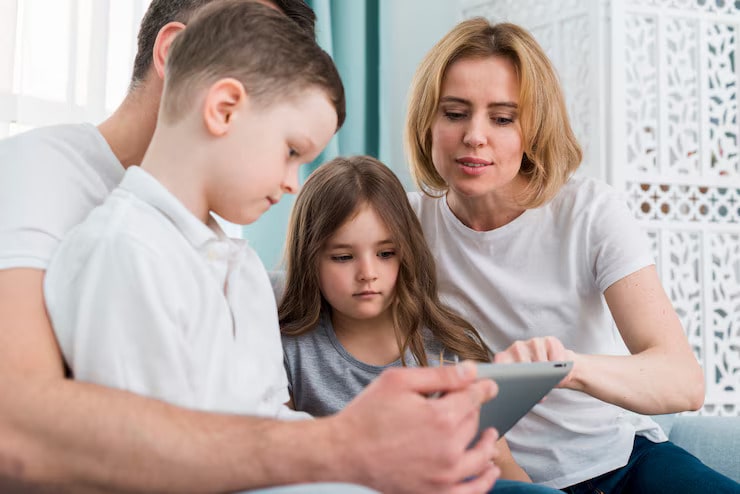
Kids don’t like surprises — especially ones that involve packing up their favourite toys or leaving their old house. As soon as the actual move is confirmed, talk to them in a calm, honest way to prepare them for the new environment.
Age-Appropriate Conversations
- Younger Kids: Keep it cheerful and simple: “We’re going to a new house with a new bedroom and a bigger backyard for fun things like playing!” Reassure them that their favourite toys, bedtime stories, and familiar comforts are coming too.
- Older Kids and Teens: Expect a mix of emotions about leaving their old house, friends, and school. Give them space to share their own feelings, ask questions, and express what’s on their mind. Be honest without sugar coating the challenges.
Talking early and often builds trust and resilience.
2. Involve Them in the Process
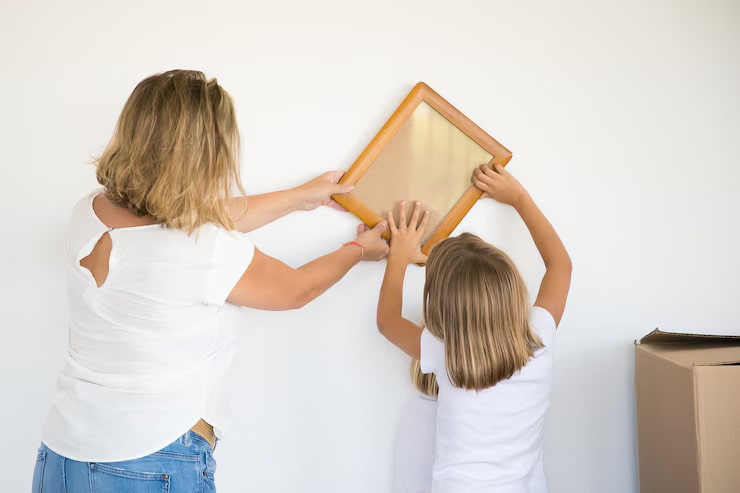
Decluttering together before the move helps children feel part of the decision-making. It’s also a good chance to sort through old toys and clothes — turning packing into a simple, family-friendly activity.
Simple Ways to Involve Kids
- Let them pack their own boxes with favourite toys and special items.
- Ask for their ideas on how to arrange their new room.
- Create a moving countdown calendar with drawings or stickers.
- Assign teens responsibilities: planning the moving route, preparing meals for the first night, or checking out the local parks near the new area.
Participation transforms uncertainty into excitement.
3. Maintain Routines During the First Few Weeks

Routines bring calm. Even when the house is full of moving boxes and chaos, sticking to a familiar process helps children feel secure. Continue with:
- Bedtimes: Same hour, same bedtime routine, same nightlight.
- Mealtimes: Keep eating at usual times to preserve normalcy.
- Play and Reading Rituals: Read books and enjoy fun things like storytelling.
- Screen Limits: Keep boundaries consistent.
If you’re moving house within Melbourne, try keeping up old weekend habits like sports, markets, or footy games. These familiar routines ease the transition.
4. Make Moving Day Kid-Friendly
Moving day can feel overwhelming, especially for younger kids. It helps to plan ahead and present the day as an exciting part of the transition. A little structure goes a long way — planning the day’s flow ahead of time keeps everyone calm. Use your favourite checklist or jot down a quick plan so you know what’s coming next.
Practical Tips:
- Arrange Childcare: A grandparent or trusted friend can take the little ones to the park.
- Prepare a Moving Backpack: Include snacks, comfort items, a favourite toy, colouring books, and headphones.
- Assign Older Children Tasks: Teens can help settle pets, label boxes, or track the moving day schedule.
- Take Breaks: Quick visits to local parks or just a moment to rest can relieve tension.
Your children will take cues from your mood. Stay calm and present where possible.
5. Prioritise Their New Room First
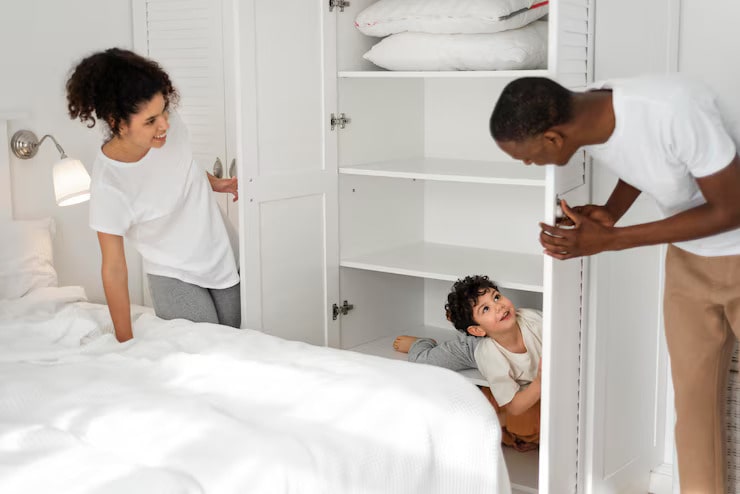
Once you’ve arrived at the new house, focus on setting up the children’s space before tackling the kitchen or Wi-Fi. A comforting room makes the new home feel safe.
To-Dos for Their New Bedroom:
- Assemble the bed, use familiar bedding and set up their nightlight.
- Display favourite photos or wall art from the old house.
- Place new furniture alongside beloved toys or books.
A peaceful new bedroom helps your kids settle emotionally and sleep well during the first nights.
6. Explore the New Area Together
Familiarising kids with the new location builds comfort and curiosity. Introduce your children to the neighbourhood by making small adventures part of your routine.
Ideas for Exploring:
- Walk or drive by their new school together.
- Visit the local library, playground, or milk bar.
- Show them nearby fun spots like skate parks or museums.
- Use Google Maps or virtual tours to explore online.
- Join social media groups with other families to discover local events.
If you’re in Melbourne, highlight location perks: “We’re just 10 minutes from the zoo!” or “This park has the best climbing wall!”
7. Support Their Emotional Adjustment
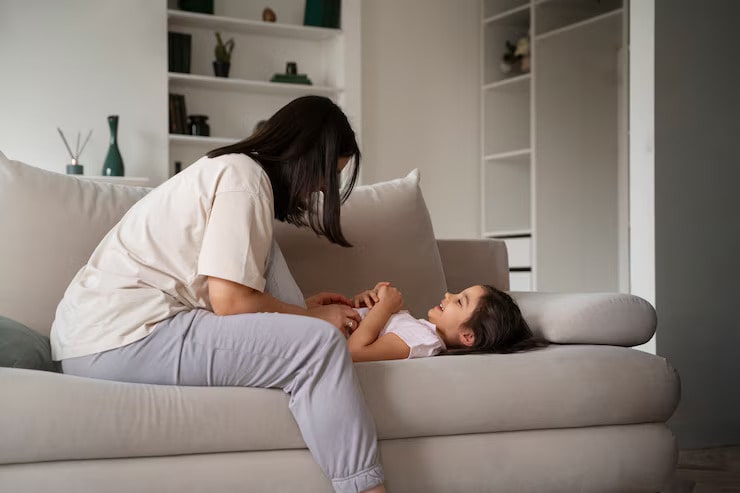
Even children who seem excited about moving home may experience big feelings once the dust settles. The first few weeks can bring mood swings, worry, or disrupted sleep.
Emotional Support Strategies:
- Make space for kids to talk about what they miss: friends, the old home, or their room.
- Keep a photo album or digital slideshow of memories.
- Encourage video calls with old friends to stay connected during the school year.
- Celebrate personal wins like finding a new friend or decorating their room.
Talk about your own feelings too. Let your kids know that it’s okay to feel uncertain and that every family member is adjusting together
8. Keep the Whole Process Light and Positive
Even with a strong moving plan, things can go wrong. Stay flexible and keep expectations realistic. Support your children by modelling how to navigate unexpected changes calmly. Packing can feel endless, but there are ways to keep it light. Simple, family-friendly systems — like sorting toys together or labelling boxes by room — can turn it into a team effort.
More Tips:
- Create a “settle-in” checklist for the first few weeks.
- Allow for small comforts like favourite meals or cartoons.
- Add pops of fun — a moving-in pizza night or first walk to the new school.
- Involve many children in games or creative unpacking challenges.
The more involved children are, the more empowered they feel.
Final Thoughts on Moving House with Kids
Moving house with kids is a big transition — emotionally, physically, and logistically. But with the right support, planning, and a little bit of humour, it can bring your family closer and offer valuable life lessons.
At Puzzle Movers Melbourne, we’ve helped hundreds of families move smoothly. We understand that children have unique needs when it comes to change, and we’re here to support that journey.
Ready to move forward?
Let us take care of the process, so you can focus on supporting your children. Get your free quote today and make your next move feel like a new beginning.


 Address
 Phone
Phone Email
Email
