
 0459 032 871
Why garages/sheds? Basements are uncommon here, so storage lives outward. Your best wins come from using walls and ceiling lines, anchoring safely, picking the right shelf depths, and choosing containers that handle heat, dust, and moisture.
Wall systems & tool organisation
Pick your backbone: Slatwall vs Pegboard vs French Cleat
Slatwall is the most flexible for mixed gear—hooks, shelves, and baskets slide wherever you need them, so the layout can grow with your hobbies. Pegboard excels for dense hand-tool setups and craft bits; add cups and small bins to stop loose items roaming. French cleats are the DIY-friendly option: timber rails that let you hang modular racks and boxes without re-drilling the wall every time.
Whichever you choose, mount into studs or masonry for strength and safety. Think in “category boards” (cleaning, fasteners, painting, garden) so every tool has a named home and naturally returns there.
Add wall-to-wall adjustable shelving
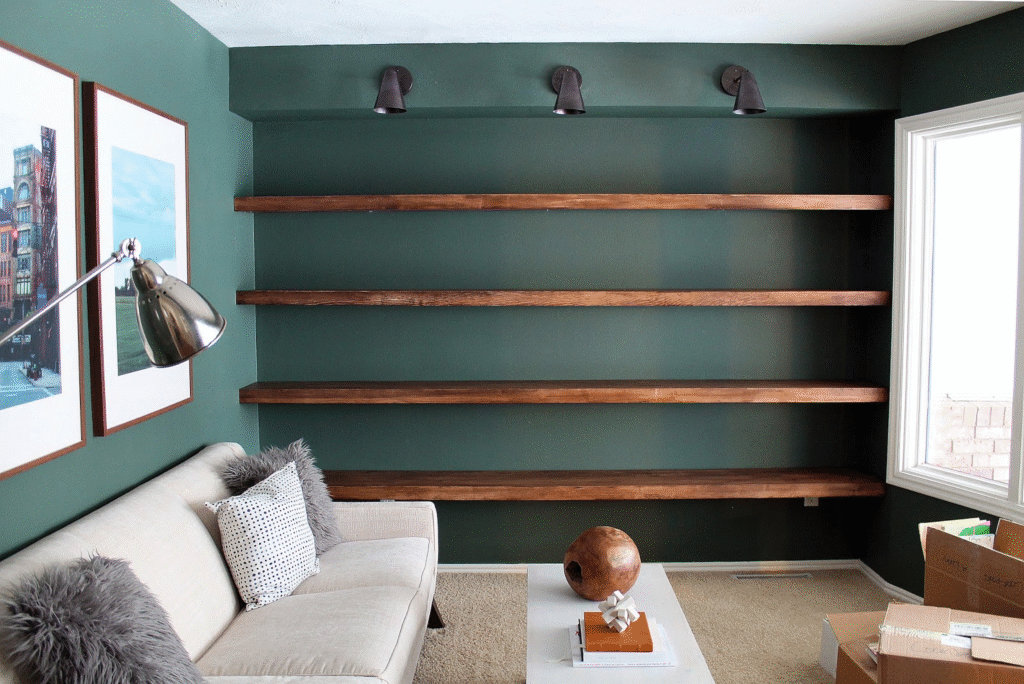
A continuous run of adjustable shelves becomes the room’s calm, high-capacity spine. Space the shelves around what you actually store—clear totes, bulk packs, hobby bins—so each category has a natural parking spot and the floor stays open.
Keep daily-use items around eye level and heavier pieces low for safer lifting. Use matching containers and bold front labels so the storage recedes and you can spot what’s missing at a glance.
Wire basket row
Open wire baskets create a quick “grab-and-go” strip for gloves, rags, tapes, pet gear, or safety glasses. The airy design makes stock levels obvious and stops small items from swallowing shelf space meant for bigger things.
Run a neat row along the path you naturally walk—near the door or above a bench—and give each basket a single micro-category. That way, restocks are simple and drop-and-dash clutter finally has a home.
Corner L-shelves
Corners don’t have to be dead space. Shallow L-shelves bridge the gap and give light items a place to live without blocking the aisle, which is ideal over bench ends or in tight sheds.
Use them for small labelled bins, bulbs, tapes, or display-worthy pieces you want visible but off the work surface. Anchor securely and keep loads modest so the shelves stay stable over time.
Containers & labels that survive real use
Clear totes with bold, front labels
Transparent, lidded totes stop rummaging and make resets painless. Group one category per tote—garden chemicals, painting gear, seasonal lights—so you can pull a single box, do the job, and put it straight back. If your shed gets hot or dusty, pick sturdier totes with tight lids and place labels on the front so they’re readable from the aisle.
Keep the labeling simple: Category — Contents — Date. Consistent wording beats clever names, and matching containers reduce visual noise so you notice what’s missing at a glance.
Stackable drawers and parts cabinets
Drawer towers and small-parts cabinets are perfect for cables, fittings, blades, screws, and all the bits that usually vanish. Assign each drawer a single item type, and slide a small contents card behind the clear front so anyone can find and return things without asking.
Cluster related drawers together—fasteners in one bank, electrical in another—so your hand learns the pattern. That “muscle memory” speeds up tasks and prevents duplicate buys.
Fabric cubes and hanging canvas
Soft bins tame light, bulky items like paper goods, linens, and guest supplies without adding visual weight. A matched set looks tidy even when life gets busy, and they fold flat when empty so you can flex capacity seasonally.
Give each person or project a cube, then reserve one for “returns/repairs” so odd parts and to-dos don’t clutter the bench. When it’s time for a reset, you’ve already corralled the chaos.
File and magazine holders (vertical storage)
File holders stand slim items upright so they stop sliding into piles—think gift bags, manuals, cutting boards, trays, even spray cans. Park a couple near your work zone to free shelf depth for heavier gear.
Colour or label the spines so categories are obvious from the aisle. It’s a small tweak that turns a messy stack into a quick-grab library.
Back-of-door & overhead capacity
Overhead garage racks
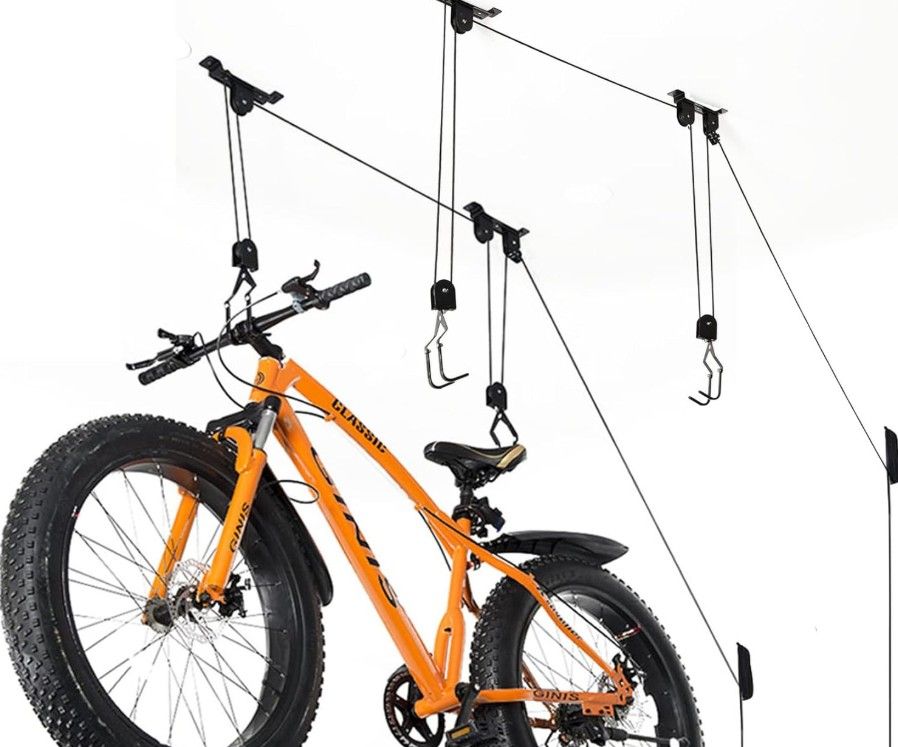 These are ceiling-mounted platforms or rails that hold bins and bulky, lightweight gear. They turn the air above the car or walkway into long-term storage for seasonal items, freeing your shelves for everyday use.
The effect is a cleaner floor and eye-level space for what you touch weekly. Anchor into joists, follow the rack’s load rating, and keep liquids or fragile items off the ceiling—use it for soft, stable cargo only.
Back-of-storage-room door organiser
An over-door pocket rack or slim rail turns a plain door into twenty small shelves. It’s perfect for bulbs, batteries, cords, first-aid, and craft bits that disappear on regular shelves.
You gain fast, predictable access right at the entrance. Stick to light items so hinges aren’t stressed, and label rows so anyone can return things without guessing.
Tension rod under a shelf or alcove
A simple adjustable rod creates a hanging rail beneath a shelf. Spray bottles, rags, straps, and tote handles finally live off the surface, where they dry quickly and stay visible.
This converts a narrow gap into a tidy mini-station. Add a few S-hooks for flexibility, and don’t overload the rod—treat it as a helper for light, frequently used pieces.
Bike and board hoists/hooks
Ceiling hoists or fixed hooks lift bikes, surf/skate boards, and camping frames up out of traffic. Walls and floors stay clear for benches and bins, and gear is protected from bumps.
Match the hardware to the item’s weight and anchor securely. Position lifts so they won’t clash with vehicle doors or roller-door tracks, and keep sharp or leaking items off overhead storage entirely.
Inside-the-room capacity boosts
Pull-out trays in garage/shed cabinets
What it is: Low-profile trays or baskets that slide forward inside deep cupboards.
Use & purpose: Bring the back of the cabinet to you so you’re not digging for cleaners, oils, tapes, or hardware.
Effect: Faster grabs, no “black hole” shelves, and fewer duplicate purchases because you can actually see stock.
Turntables for deep corners

What it is: Round “Lazy Susan” platforms that spin on a shelf.
Use & purpose: Park small bottles, tins, and fixings in hard-to-reach corners, then spin to view everything at once.
Effect: Zero buried items; one-hand access keeps resets quick after a job.
Frequency-of-use zoning
What it is: A layout rule, not a product.
Use & purpose: Keep daily gear at easy reach, stash awkward or heavy pieces low, and push rare/seasonal items out of prime space.
Effect: The room starts working the way you do—less walking, safer lifting, and fewer piles left on benches.
Door-mounted slim racks (inside cabinets)
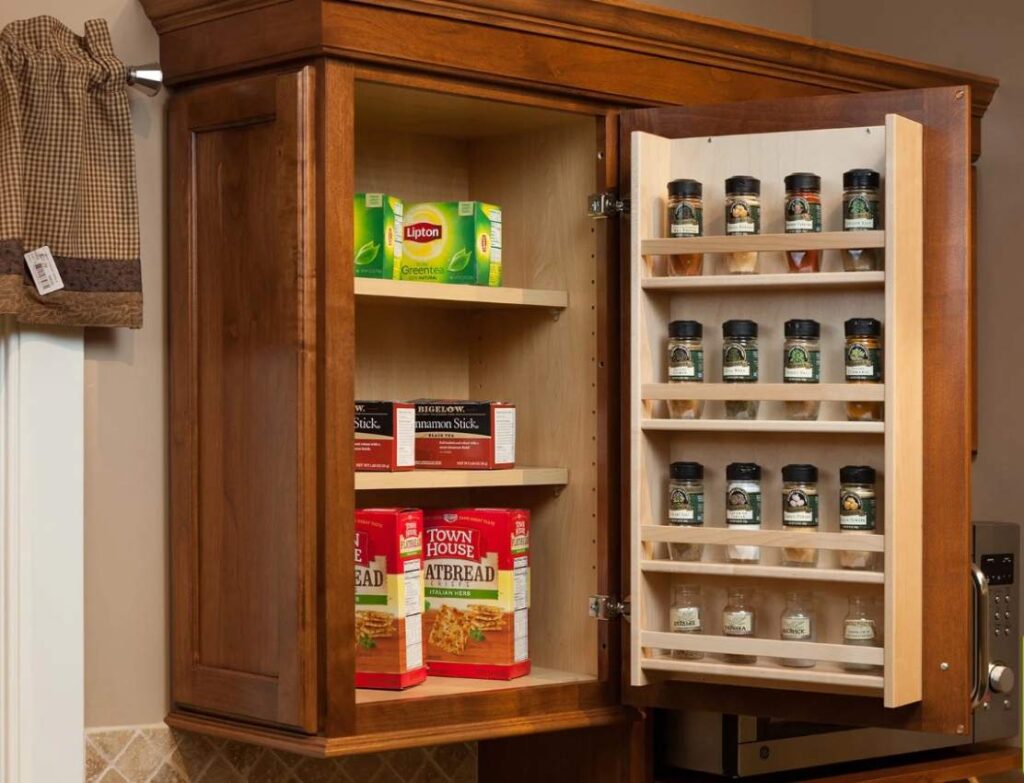 What it is: Shallow racks or clip-on rails fitted to the inside of cabinet doors.
Use & purpose: Hold brushes, refills, cloths, batteries, and other light items that clutter shelves.
Effect: Frees full-depth shelving for bulk while giving small pieces a predictable home.
Magnetic tool strip
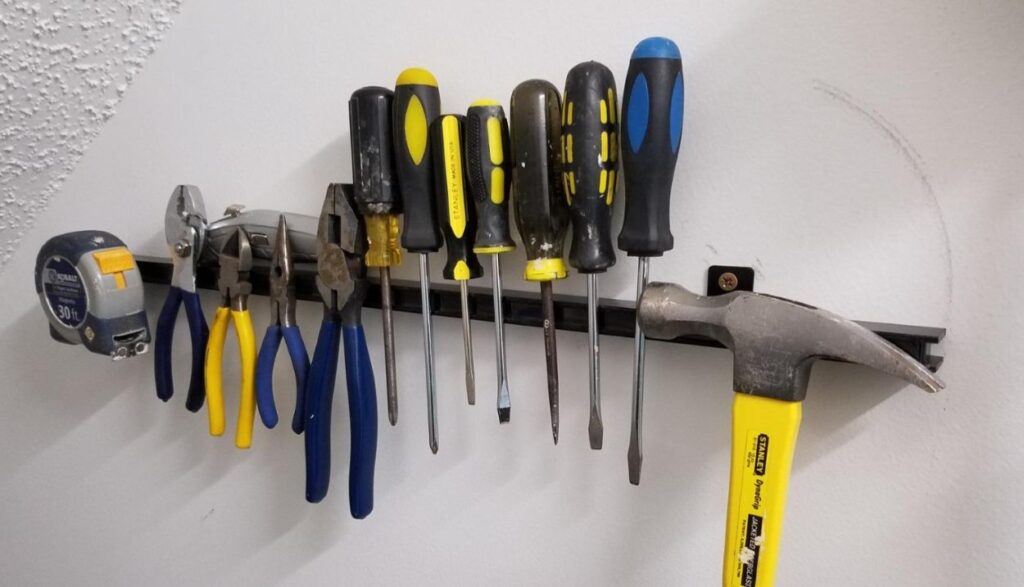
What it is: A wall-mounted magnetic bar.
Use & purpose: Catch metal hand tools—snips, hex keys, drill bits—that otherwise get lost in drawers.
Effect: Instant visibility near the work zone and a tidy bench with fewer open trays.
Garden & outdoor gear (shed mini-zone)
Long-tool racks & hose reels
Give rakes, shovels, brooms, and line-trimmers a vertical lane so they don’t slide into messy piles. Wall racks and a simple hose reel keep tall gear upright, dry, and ready—no more tripping over handles when you grab the mower.
The payoff is safer footpaths and faster yard starts. Tools return to their hooks by habit, not willpower.
Soil, fertiliser & potting setup
Bagged soil and fertilisers belong in sealed containers, raised off the slab, with a shallow tray to catch spills. Park a scoop, gloves, and masks right beside them so you don’t hunt for safety gear.
This controls odours, pests, and dust, and keeps garden jobs clean enough to start on a whim.
Pest & moisture habits
Sheds breathe differently to garages. Use tight-lidded totes, avoid cardboard, and leave airflow around walls so condensation has somewhere to go. A quick monthly look for nibble marks or damp patches lets you fix small issues before they become headaches.
Result: gear lasts longer, labels stay readable, and you won’t discover rust just when you need the secateurs.
Safety, loads & maintenance
Anchor right, lift right
Mount wall systems into solid structure—studs or masonry—and strap any freestanding shelves to stop tip-overs. Keep heavy items low and stable; put light, durable items higher where you can see them.
This reduces strain and risk. The room becomes calmer to move through and safer to work in.
What not to store overhead
Ceiling racks are for stable, lightweight bulk—think seasonal totes and soft gear. Keep liquids, fragile items, and anything that could leak or shatter on lower shelves where you can control them.
You’ll protect floors, cars, and people while still reclaiming the space near the ceiling.
Simple monthly reset
Set a quick recurring date to return strays, update labels, and retire dead stock. Keep a tiny “returns/repairs” bin so odd bits don’t land on the bench.
Ten minutes is enough to keep the system honest and stop clutter from rebuilding.
PPE & spill readiness
Store gloves, glasses, masks, and a basic spill kit within arm’s reach of chemicals and paints. Label it plainly so anyone can use it without asking.
Prepared beats perfect. When safety gear is obvious, people actually wear it.
Room-type use cases
Single-car garage

Prioritise one clear wall for your backbone system and keep an uninterrupted lane to the driver’s door. Overhead racks go where doors and roller tracks won’t clash.
Aim for quick access to daily gear and a bench that folds away so the car still fits on project days.
Double garage
Divide the space by task: one wall for tools and repairs, another for sports and seasonal, with carts parked near the door. Keep bulky backups (paper goods, water, esky gear) together so restocks are easy.
Zones cut decision-making. Everyone learns where things live and the car doors still open freely.
Garden shed
Lean into sealed bins, long-tool racks, and a small potting corner. Keep metal blades oiled and off damp floors; store seeds and treatments together with clear dates.
You’ll spend less time hunting and more time actually in the garden.
Small workshop or outbuilding
Use a fold-down bench with pegboard or cleats above, parts drawers at eye level, and a charging corner for cordless tools. A slim cart holds finishing supplies and rolls to the job.
It functions like a miniature pro shop without eating the whole space.
How to set it up (run-of-show)
Decide your wall backbone first—slatwall, pegboard, or cleats—then add adjustable or rivet shelving to carry the volume. Anchor everything properly, map zones by task and frequency, and containerise with simple labels so anyone can reset the room.
Finish with a mobile cart, a fold-down bench if you need it, a charging corner, and a 10-minute monthly reset. The system will feel “done” but stay flexible as life changes.
Let Puzzle Movers Handle Your Move & Storage
Moving in or around Melbourne and short on space? Puzzle Movers can take care of the packing, the heavy lifting, and even secure extra storage for the things you’re not ready to part with yet. Get in touch today for a quick quote and let us make your move—and your storage—simple.



 Address
 Phone
Phone Email
Email
