
 0459 032 871
Big furniture, narrow doors, and tight corners — moving furniture isn’t always as simple as it looks. Whether you’re shifting pieces around the house, decluttering your space, or preparing for a full move across Melbourne, the right approach makes all the difference.
Use smart lifting techniques, the right tools, and a bit of planning to keep every move safe, fast, and damage-free.
Why Moving Furniture Can Be Tricky
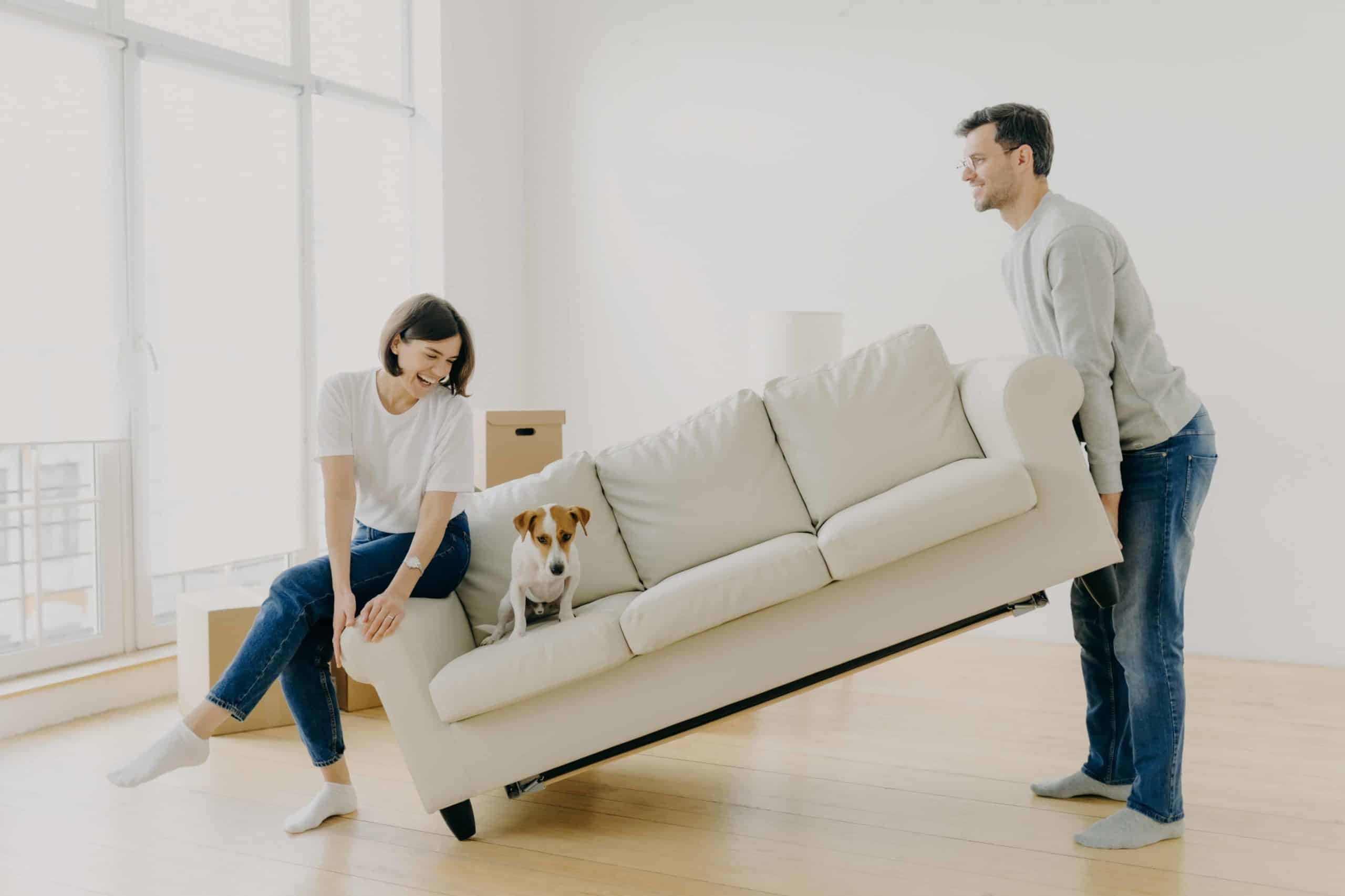
Moving furniture looks simple — until you try lifting a couch through a tight doorway or down a staircase. The size, shape, and weight of most furniture pieces make them awkward to handle, especially without the right tools or enough help.
Improper lifting or dragging can lead to sore backs, damaged walls, and scratched floors. Even something small like twisting while carrying a heavy box can cause strain or injury.
Stairs, narrow hallways, and door frames add another layer of difficulty. Without careful planning, large items can get stuck mid-turn, dent walls, or even break under pressure. That’s why taking the right approach from the start makes a move smoother, safer, and far less stressful.
Moving Heavy Furniture Safely
Heavy furniture doesn’t just test strength — it tests balance, coordination, and patience. The right techniques make every lift smoother and safer.
🔹 Tips for Moving Heavy Furniture
- Lift smart. Bend your knees, keep your back straight, and lift with your legs — not your spine.
- Avoid twisting. Keep the weight close to your body and move your feet instead of twisting your torso.
- Team up. Don’t lift alone. Large or uneven items are safer with two people.
- Use the right gear.
- Sliders: glide heavy pieces without scratching floors.
- Straps: balance the weight between movers.
- Dollies & hand trucks: move bulky furniture easily.
- Ramps: help when stairs or steps are involved.
- Sliders: glide heavy pieces without scratching floors.
- Plan your path. Clear doorways, measure hallways, and know where you’ll set each item down.
Good tools and steady technique save time — and your back — when moving heavy furniture.
Moving Furniture Inside Your House
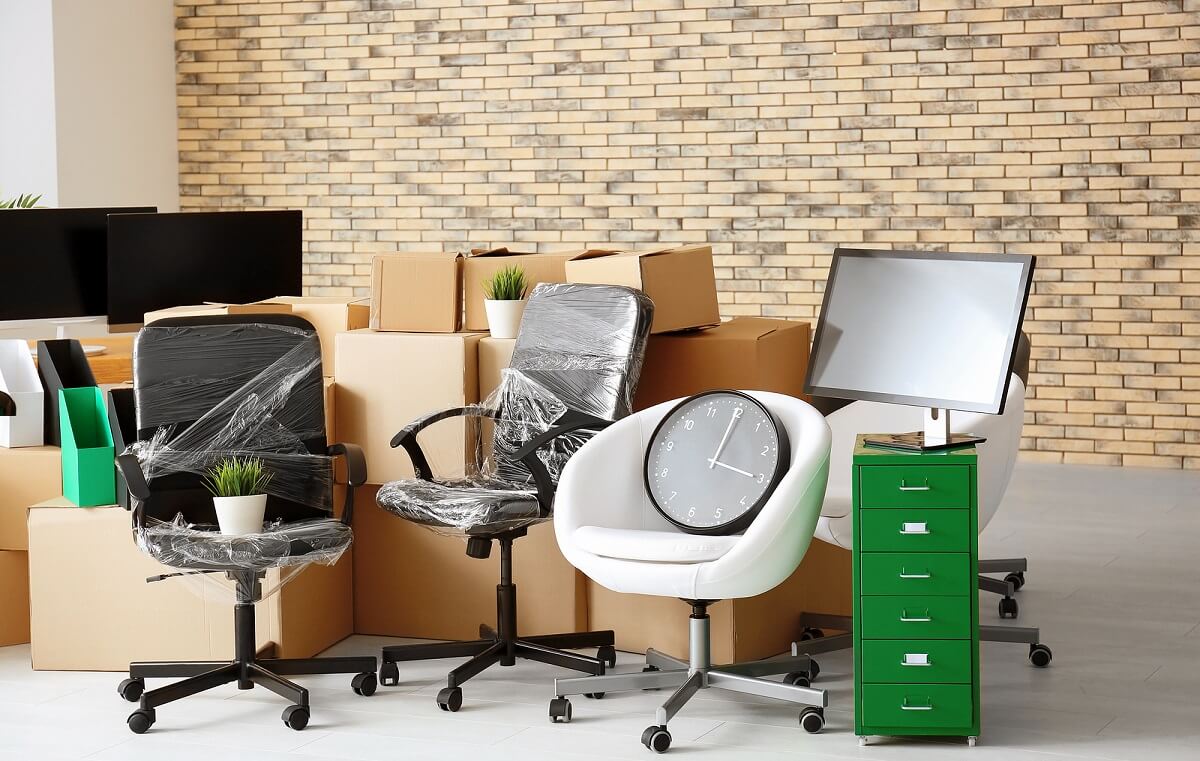
Rearranging rooms or shifting furniture across floors might sound easy, but it’s where most scratches, dents, and injuries happen. Even small in-house moves benefit from smart planning — having a checklist helps you stay organised before the big day.
🔹 Tips for Moving Furniture Indoors
- Measure first. Check doorways, hallways, and stair clearance before lifting.
- Protect floors. Use furniture sliders, cardboard sheets, or towels to avoid scuffs and scratches.
- Disassemble when possible. Remove legs, drawers, or detachable parts to make items lighter.
- Wrap fragile pieces. Use blankets or bubble wrap to protect polished surfaces and edges.
- Lift carefully. Keep the load balanced, move slowly, and communicate with anyone helping.
- Take breaks. Fatigue leads to bad lifts and accidental drops — short pauses help you stay safe.
Small moves still need smart planning. With a few precautions, you can shift furniture at home without damaging your space or straining your back.
Moving Furniture Upstairs or in Tight Spaces
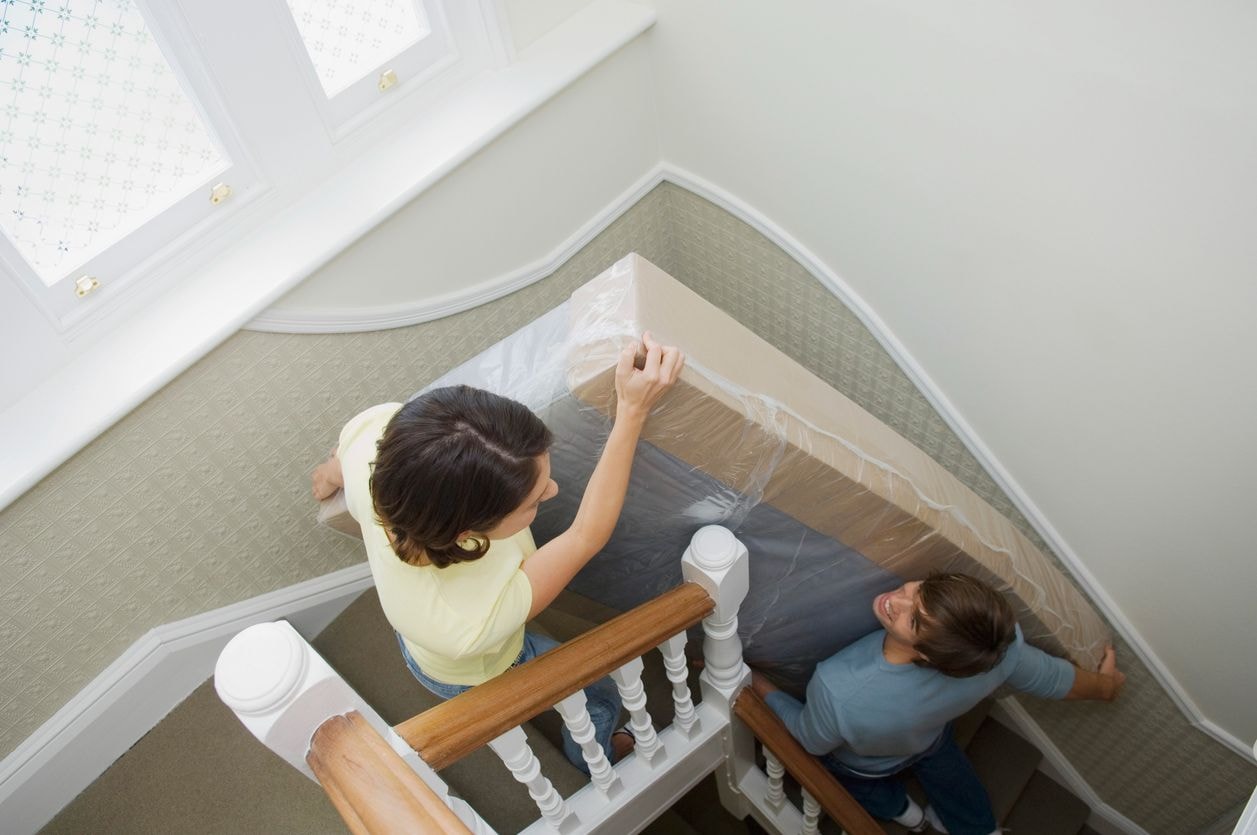
Stairs, corners, and narrow hallways are where most moves get tricky. Heavy furniture becomes awkward to balance, and one wrong angle can cause damage or injury. A bit of planning goes a long way here.
🔹 How to Move Furniture Through Tight Spots
- Measure first. Know your dimensions — the item, the door, and the stair width.
- Clear your path. Remove obstacles, rugs, or clutter before lifting.
- Tilt and pivot. For long furniture like couches or wardrobes, tilt diagonally to fit through corners.
- Use straps or dollies. They help control weight on stairs and prevent sudden drops.
- Go slow. Communicate with your partner — one person should guide, the other lift.
- Protect surfaces. Use blankets or padding around tight turns to avoid scuffing walls or frames.
Stairways and corners test your control more than your strength. Move slow, plan each step, and you’ll avoid most of the damage and stress — or let experienced house removalists in Melbourne handle the heavy lifting safely.
Tools and Equipment That Make Moving Easier

Good tools make all the difference when moving furniture — they turn heavy lifting into smart handling. You don’t need fancy equipment, just the right basics that protect your body and your home.
🔹 Essential Tools for Moving Furniture
- Furniture sliders – Perfect for moving heavy furniture across tiles, wood, or carpet without scratching floors.
- Dollies & hand trucks – Handle bulky pieces like fridges, wardrobes, and tables without lifting.
- Moving straps – Distribute weight evenly between two people to prevent strain.
- Ramps – Help when moving furniture up steps, curbs, or loading trucks.
- Protective blankets & pads – Wrap furniture to prevent dents and scuffs during transport.
- Tape & stretch wrap – Secure drawers, doors, and delicate parts to keep them from shifting.
A few simple tools can turn a back-breaking move into a smooth one. They protect your furniture — and your energy — from start to finish.
When to Get Professional Help Moving Furniture

Sometimes, it’s not about strength — it’s about safety, speed, and the right tools for the job. Professional movers know how to handle furniture efficiently and protect your home from damage.
🔹 When Hiring Movers Makes Sense
- Large or heavy items. Couches, wardrobes, and pianos need experience and proper lifting gear.
- Stairs and tight spaces. Movers can navigate corners and levels without damaging walls or door frames.
- Long-distance moves. Professionals handle the logistics, packing, and transport for you.
- Valuable or fragile pieces. Experienced movers use padding, straps, and wraps to keep items secure.
- Time-sensitive moves. A trained team can finish in hours what might take a weekend to do alone.
- Storage or multiple locations. Movers often offer short-term storage and flexible delivery options.
Professional movers don’t just lift — they plan, protect, and make sure every piece arrives in one piece. Pricing can vary depending on the number of items, travel distance, and access points — understanding how much movers cost helps you plan ahead. For most Melbourne moves, hiring professionals often saves both time and cost in the long run.
Moving Furniture Interstate
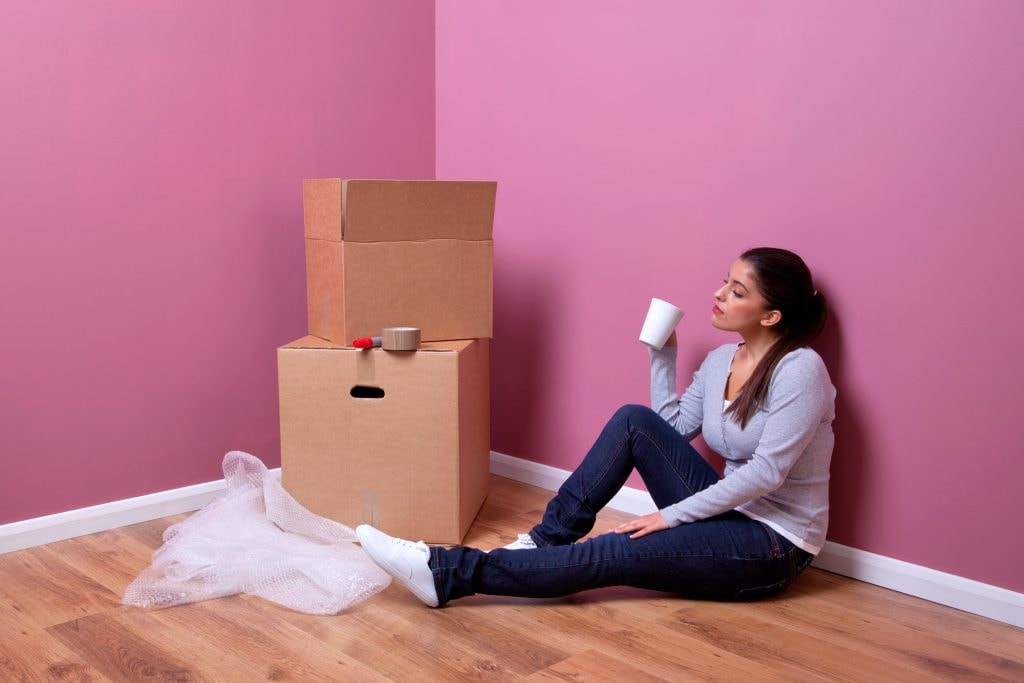
An interstate move takes more planning than a local one. Longer distances, delivery schedules, and careful packing all play a part in keeping your furniture safe on the road.
🔹 What to Plan for an Interstate Move
- Book early. Good removalists fill up fast — lock in dates weeks ahead.
- Compare services. Some movers offer full-service options, including packing and unpacking.
- Check insurance. Make sure valuable items are covered for transport damage or loss.
- Understand timing. Cross-state deliveries can take several days depending on distance and load size.
- Ask about storage. Some companies provide temporary storage if your new home isn’t ready yet.
- Label everything. Clear labels make unloading faster and safer for fragile pieces.
For interstate moving in or out of Melbourne, working with a professional team ensures your furniture arrives safely — without the stress of long-distance logistics.
Furniture Storage Before or After a Move
Sometimes you’re ready to move — but your new space isn’t. Storage helps bridge that gap and keeps your furniture safe until you’re settled.
🔹 How to Store Furniture Safely
- Choose the right space. Look for clean, secure, and temperature-stable storage units.
- Wrap and protect. Use blankets, pads, or plastic wrap to prevent scratches and dust.
- Disassemble large pieces. Remove legs or drawers to save space and reduce breakage risk.
- Label boxes clearly. It makes unpacking faster and prevents confusion later.
- Avoid stacking heavy items. Keep weight off fragile furniture tops or glass surfaces.
- Check access options. Many Melbourne storage services offer flexible access or pickup scheduling.
Short- or long-term, proper storage protects your furniture from damage and keeps it ready for your next move. For more ways to maximise space, explore these small storage room ideas that make even tight areas efficient.
DIY Furniture Moving Tips (Quick Recap)
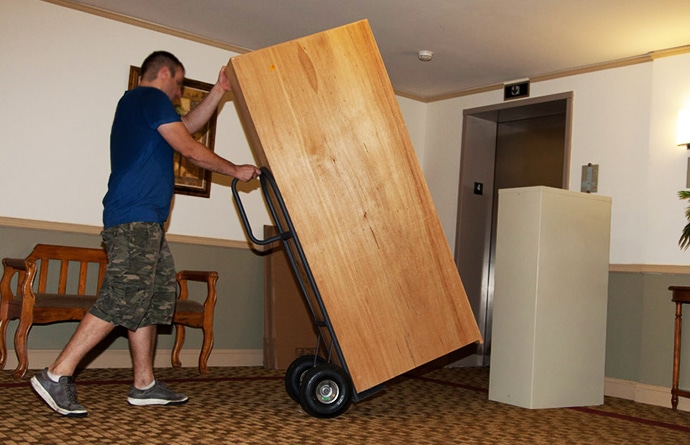
If you’re handling the move yourself, small steps make the biggest difference. Smart prep and safe habits protect both your home and your back.
🔹 Quick Tips to Move Furniture on Your Own
- Plan your route. Clear paths before lifting — check doors, corners, and stairs.
- Disassemble where possible. Lighter pieces are easier and safer to carry — and following smart packing tips for moving keeps everything protected during transit.
- Use sliders or cardboard. Avoid dragging furniture directly on the floor.
- Lift with care. Bend your knees, keep your balance, and avoid twisting.
- Protect furniture. Wrap edges, corners, and polished surfaces.
- Ask for help. Even one extra set of hands can prevent injury or damage.
- Take your time. Slow, steady moves are safer than rushing.
A bit of planning and patience turns any move — big or small — into a smooth one.
A Smooth Move Starts with the Right Approach
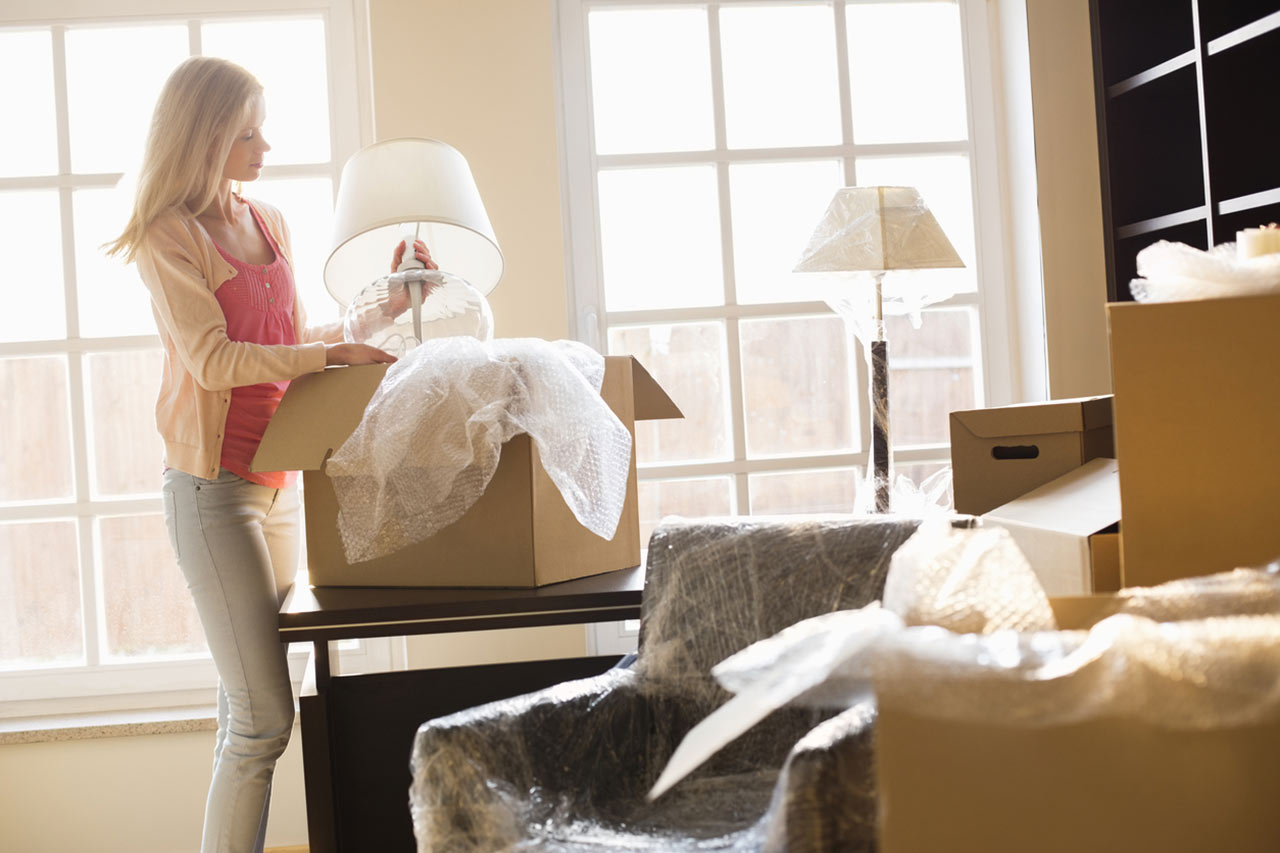
Moving furniture doesn’t have to be stressful or risky. With the right tools, smart planning, and a steady pace, even the heaviest pieces can move smoothly and safely.
Whether you’re shifting a few things around the house or relocating across Melbourne, a little preparation goes a long way. And when it’s time to call in help, working with professional furniture removalists in Melbourne makes every step easier — from lifting to loading.
Because the best moves aren’t about strength — they’re about strategy, safety, and care.
Frequently Asked Questions
Can you hire people to do heavy lifting?
For the times when that heavy item needs to be moved, whether you’re moving out, decluttering, or selling some furniture, there’s a Tasker who can help! To find and book a heavy lifter through TaskRabbit, you can use the website or mobile app, search for Taskers in your area, browse profiles and reviews, then book!
What is a mover job description?
A mover’s job is to help people move their belongings from one place to another. This includes loading, transporting, and unloading items. Movers may also help with packing and unpacking.
Can you get people to help you move?
Moving Help® is an online marketplace that connects you to local, independent, customer reviewed helpers. When you sort search results overall customer rating, lowest price, and services offered- you can select the independent Moving Helper that meets your needs.
How do I protect furniture when moving?
Wrap with blankets or bubble wrap, use corner protectors, and secure drawers.
Can movers move just furniture?
Yes, many movers offer furniture-only moves for single items or partial loads.
How do I move furniture within my house?
Use sliders, protect your floors, and always lift with help to prevent injury.
Should I hire movers for a single item?
Yes, especially if the furniture is oversized or fragile — professionals ensure safe handling.



 Address
 Phone
Phone Email
Email
